Introduction
The increasing frequency of encounters between Russian pilots and NATO forces has sparked significant concern among military analysts and policymakers. As geopolitical tensions remain high, understanding these interactions is crucial for ensuring airspace safety and regional stability.
Details of Recent Encounters
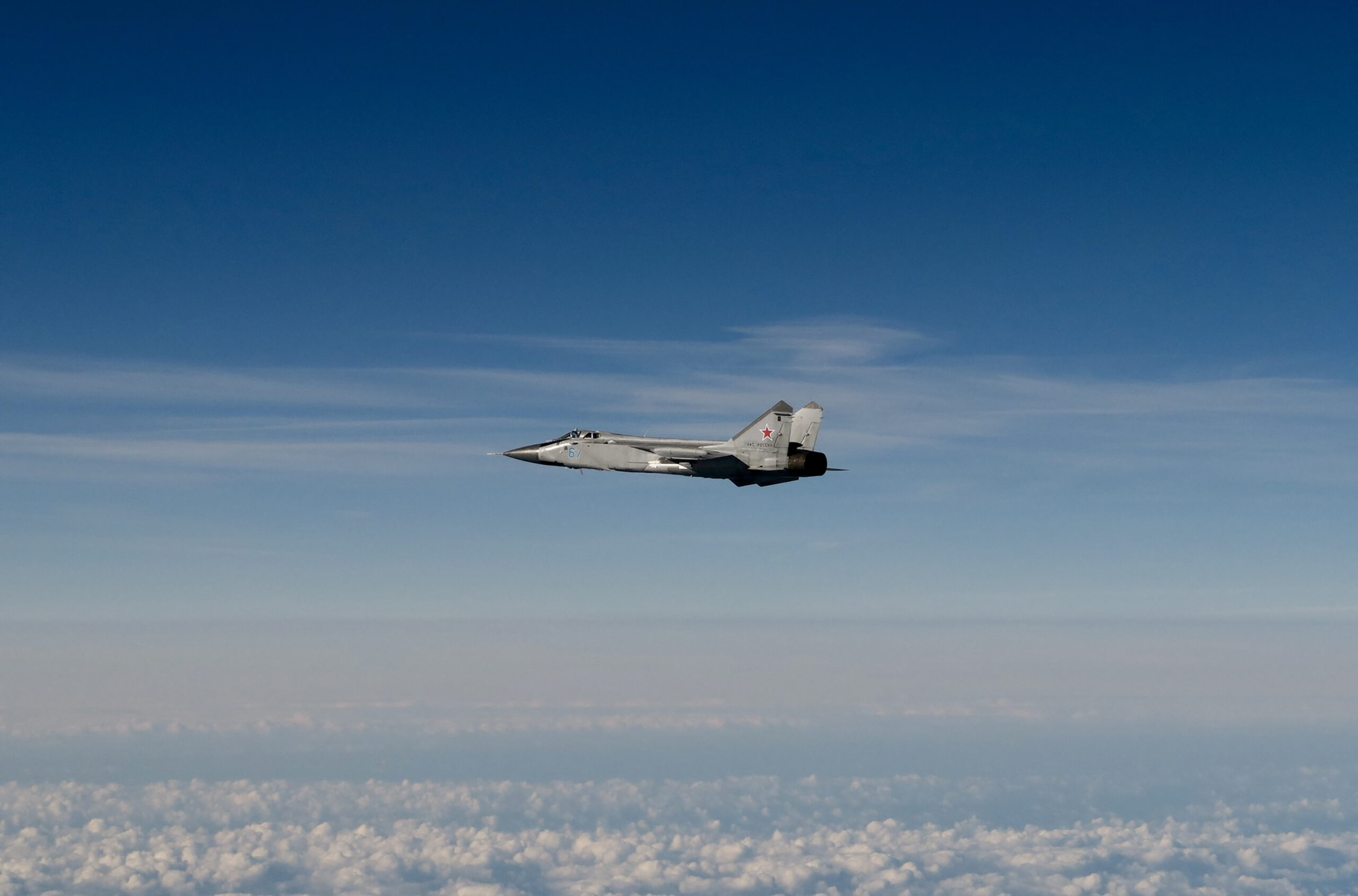
In the past few months, several notable incidents have been reported where Russian fighter jets have come into close proximity with NATO aircraft operating near the borders of Eastern Europe. On 19th October 2023, a Russian Su-27 jet reportedly intercepted a U.S. Air Force reconnaissance plane over the Baltic Sea. Similar incidents have been recorded in the Black Sea region, highlighting a consistent pattern of aggressive maneuvers from Russian pilots.
According to NATO officials, these encounters often occur during routine surveillance missions carried out by NATO aircraft in international airspace. Though such intercepts have occurred in the past, the frequency and the aggressive posture of the Russian pilots have raised alarms within NATO member states. Notably, the Royal Air Force and other European forces have also ramped up their readiness to respond to these engagements.
Impact on NATO-Russia Relations
The increase in such military encounters is interpreted as part of a broader strategy by Russia to assert its military influence in international airspace and to challenge NATO’s presence in its sphere of influence. NATO Secretary General Jens Stoltenberg has emphasized that while NATO continues to conduct safe and professional operations, it remains vigilant against possible escalations that could arise from these encounters.
Conclusion
As these encounters between Russian pilots and NATO forces become more frequent, they underscore a growing need for enhanced communication and clearer protocols to mitigate potential conflicts in the air. Analysts suggest that both sides should engage in dialogue to establish safety measures and prevent mishaps that could lead to significant military confrontations. The development of these interactions will be closely monitored, as they hold implications not only for regional security but also for global stability in the context of rising geopolitical tensions.