Introduction
Rafah, a town located in the southern Gaza Strip, serves not only as a vital border crossing between Egypt and Palestine but also as a focal point in the region’s ongoing humanitarian crises. The significance of Rafah has intensified in light of recent events, drawing global attention to its role in the socioeconomic fabric of the area. Understanding Rafah is essential for grasping the complexities of the Israeli-Palestinian conflict and the various humanitarian challenges faced by its residents.
Recent Developments
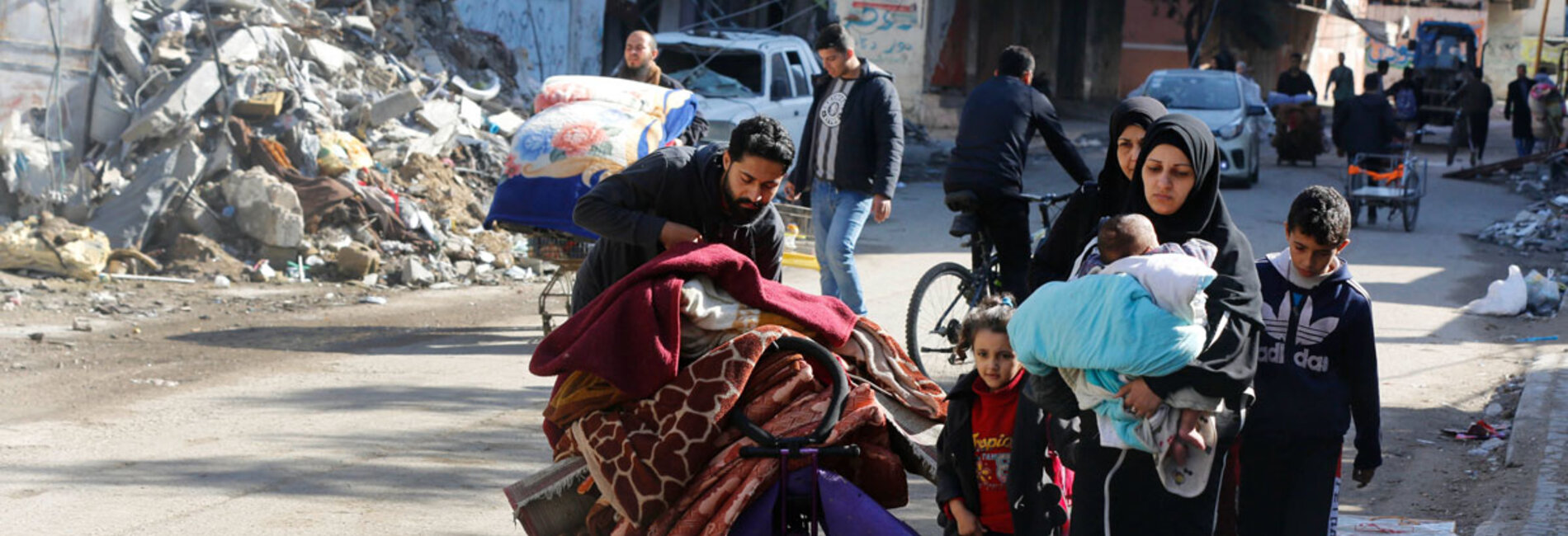
In October 2023, following an escalation in violence in the region, Rafah became a critical site for thousands of displaced persons seeking refuge. The town’s border crossing with Egypt has been a lifeline for those fleeing conflict, allowing essential supplies and aid to enter Gaza. The Egyptian government has intermittently opened the Rafah crossing, aiming to facilitate humanitarian assistance while maintaining security concerns.
AID agencies, including the United Nations Relief and Works Agency (UNRWA), have noted a significant increase in demand for medical supplies, food, and shelter as conflict escalates. Reports indicate that conditions in Rafah have worsened, with infrastructure strained under the weight of incoming refugees. Electricity and water supplies remain limited, leading to concerns regarding public health and safety.
Socioeconomic Impact
Economically, Rafah has faced challenges, particularly due to the extensive blockade imposed on Gaza since 2007. The border crossing is one of the few access points for goods and services, and its intermittent closure has devastated local businesses. Despite these hardships, Rafah’s inhabitants have shown remarkable resilience, developing informal networks and markets to cope with the shortages.
In addition to humanitarian issues, political tensions surrounding Rafah reflect larger geopolitical dynamics, as Egypt balances between assisting Gaza and addressing its own national security interests. The Egyptians have facilitated a few aid convoys into Gaza; however, security measures remain stringent, primarily to prevent arms smuggling.
Conclusion
The situation in Rafah is a microcosm of the wider issues facing the Gaza Strip and the Palestinian territories. As the international community continues to engage with ongoing conflicts, the importance of Rafah cannot be overstated. Its future hinges on broader geopolitical negotiations, local governance challenges, and the pressing need for humanitarian assistance. Looking ahead, it is essential for policymakers and humanitarian agencies to focus on stabilising Rafah, ensuring that it can serve its dual role as both a border crossing and a refuge for those in desperate need. The ongoing developments in Rafah will undoubtedly have lasting implications for the peace and security of the region.