Introduction
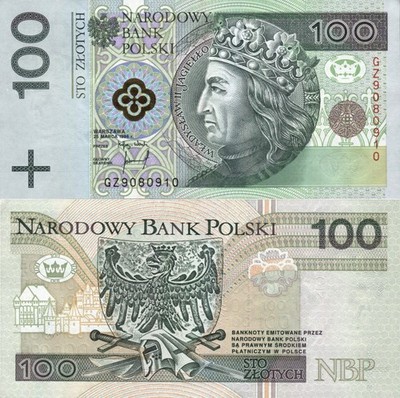
Poland, located in Central Europe, has long been a nation of historical and cultural significance. With a population of approximately 38 million and a robust economy, it is one of the largest countries in the European Union (EU). Recent events have highlighted Poland’s crucial role in shaping the political landscape of Europe, making it a focal point for international discussions on security, immigration, and economic development.
Current Events in Poland
Recently, Poland has been in the news due to its complex relationship with both the EU and neighbouring countries. The nation has faced challenges regarding its judiciary system and rule of law, which led to tensions with EU governing bodies. Additionally, Poland’s stance on immigration has garnered attention, especially in light of the ongoing crisis in Ukraine, where it has become a haven for millions of refugees fleeing conflict.
In 2023, as the EU continues its efforts to manage an effective response to various geopolitical tensions, Poland’s strategic position has made it a key player. The Polish government has been actively involved in discussions related to the security of Eastern Europe, particularly in relation to the Russian threat. Security alliances, bolstered through NATO, have seen Polish forces increase their presence in NATO-led missions, showcasing Poland’s commitment to regional stability.
Economic Landscape
Economically, Poland has been one of the success stories of the European Union. Its GDP growth rate has consistently been above the EU average over the past decade. The nation is recognised for its strong manufacturing sector, with automotive and technology industries leading the way. Recently, Poland has also become an attractive destination for foreign investment, welcoming companies seeking to establish manufacturing bases in Europe.
Post-Covid-19 recovery efforts have also been a focal point for the Polish government, which aims to support economic resilience through various recovery plans, focusing on sustainable development and green energy initiatives. These efforts are significant not only for Poland but for the broader EU vision of a Green Deal aimed at tackling climate change.
Conclusion
As Poland navigates its position within Europe, it remains at the forefront of discussions impacting both national and EU-wide policy. From its role in addressing security challenges to its economic advancements and commitment to humanitarian efforts, Poland is undeniably a nation at a crossroads. With upcoming elections set to determine the path forward for political leadership, the international community will be watching closely as Poland continues to shape its future and that of the EU. The developments within Poland will have far-reaching implications, not just for its citizens but for the entire continent as well.