Introduction
Peloton, a leading name in the home fitness sector, has become synonymous with interactive exercise experiences. Founded in 2012, the company merged high-quality fitness equipment with advanced technology, allowing users to access live-streamed and on-demand classes from the comfort of their homes. Its growing popularity underscores a significant shift in how fitness is approached, particularly amidst the pandemic that has spurred a greater reliance on at-home workouts.
The Rise of Peloton
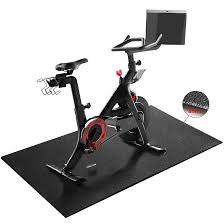
Peloton’s journey started with its flagship stationary bike, which featured a screen to stream classes and connect users with instructors and fellow riders. This unique offering resonated with fitness enthusiasts, leading to a rapid membership increase. In 2020, as gyms closed globally due to COVID-19, Peloton reported a staggering 172% increase in year-over-year revenue, highlighting its role as a vital resource for home exercise.
With its successful launch in the US, Peloton expanded to international markets, including Canada, the UK, and Australia, reinforcing its global reach. The company’s recent diversification includes the launch of a treadmill and various fitness accessories, as well as the introduction of the Peloton Guide, which uses camera technology to assist users with strength training.
Community and Engagement
One of Peloton’s unique selling points is its community aspect. Users engage in live classes, where they can see their rankings, shout out to friends, or give each other virtual high-fives. This interaction fosters a sense of camaraderie and support among members, differentiating Peloton from traditional home workout solutions. Furthermore, Peloton’s robust online platform includes a variety of classes ranging from cycling and running to strength and yoga, ensuring there is something for everyone.
Current Challenges and Future Outlook
Despite its success, Peloton has faced challenges in recent months, including increased competition from other fitness start-ups and the re-opening of gyms. Recent reports indicated a slight drop in user subscriptions as people returned to in-person workouts. In response, Peloton is focusing on improving its product offerings, enhancing customer experience, and expanding its portfolio with new content and features.
Conclusion
Peloton continues to revolutionise the home fitness landscape by offering a unique blend of high-quality equipment and an interactive community experience. As it adapts to market dynamics and user needs, Peloton’s commitment to innovation will likely sustain its position as a leader in the fitness industry. The future of home fitness is bright, and Peloton is at the forefront of this transformation, making exercise more accessible and enjoyable than ever before.