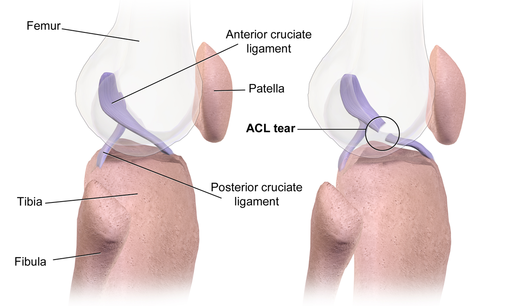
Introduction to ACL Injury
The anterior cruciate ligament (ACL) is a crucial component of the knee, essential for its stability and movement. An ACL injury is particularly significant in sports, affecting athletes and active individuals alike. Understanding the prevalence and impact of these injuries has never been more relevant, especially as sports participation increases around the world.
What is an ACL Injury?
An ACL injury occurs when the ligament is either completely torn or partially torn, often due to sudden stops, jumps, or changes in direction. This can result in pain, swelling, and instability of the knee joint. According to the British Journal of Sports Medicine, ACL injuries account for a staggering 50% of all serious knee injuries. They are especially prevalent in sports such as football, basketball, and skiing.
Causes and Risk Factors
The primary cause of ACL injuries is often linked to high-impact sports activities. Various factors can contribute to the risk of sustaining an ACL injury, including:
- Improper technique during physical activities
- Participation in high-risk sports
- Previous knee injuries
- Muscle imbalances or weaknesses
Furthermore, studies indicate that female athletes are at a higher risk compared to their male counterparts due to anatomical and biomechanical differences.
Treatment Options
Treatment for an ACL injury typically depends on the severity of the tear and the individual’s needs. Options include:
- Physical therapy to strengthen surrounding muscles
- Bracing to provide knee support
- Surgical interventions for complete tears, often involving grafting tissue to replace the damaged ligament
According to recent statistics, over 200,000 ACL reconstructive surgeries are performed annually in the United States alone, highlighting the widespread impact of these injuries on athletes and their long-term health.
Prevention Strategies
Preventing ACL injuries is vital for active individuals. Some effective strategies include:
- Incorporating strength and conditioning training
- Practicing proper techniques in sports
- Engaging in agility and balance exercises
Organisations like the NHS are advocating for training programmes aimed at reducing the incidence of ACL injuries, particularly among young athletes.
Conclusion
In summary, ACL injuries remain a significant concern in sports medicine. Understanding their causes, promptly addressing treatment options, and implementing prevention strategies can lead to better outcomes for individuals at risk. As our knowledge improves, combined with advances in medical treatment, we can hope for a reduction in ACL injuries, allowing athletes to maintain their performance and quality of life.