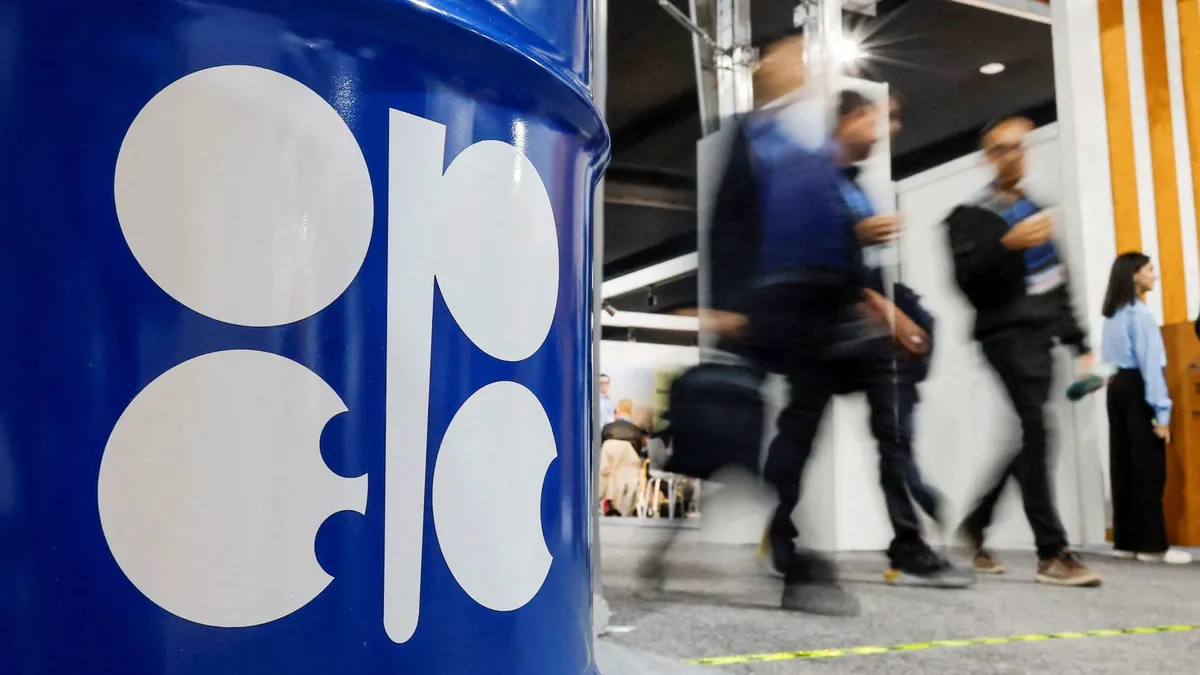
The United Arab Emirates is leaving OPEC, effective May 1, 2026. This decision marks a significant shift in the oil cartel’s dynamics and its ability to control the global oil market.
The UAE has been a member of OPEC since its creation as a sovereign nation in 1971. Over nearly 60 years, it became the third-largest oil producer within OPEC, following Saudi Arabia and Iraq. However, recent developments have prompted a reevaluation of its role within the organization.
On October 15, 2025, the UAE announced that its departure was a “sovereign national decision” grounded in long-term economic priorities. Suhail al-Mazrouei, the UAE’s Minister of Energy and Infrastructure, stated, “Being a country with no obligation under the group will give us flexibility.” This flexibility may allow the UAE to increase its oil output more freely.
The decision to leave OPEC did not involve consultations with other producers, including Saudi Arabia. Jorge Leon, an analyst at Rystad Energy, noted that “the UAE withdrawal marks a significant shift for OPEC,” suggesting that this exit could weaken the cartel’s ability to manage global energy demand.
The UAE’s exit comes at a time when energy markets are increasingly volatile. The Strait of Hormuz—a vital passage for global oil shipments—remains a focal point for geopolitical tensions. As global energy demand fluctuates, the implications of this departure could resonate far beyond the UAE.
As it stands now, there are uncertainties about how this move will affect both OPEC and global energy markets. The UAE’s increased independence might lead to changes in pricing strategies or production levels that could ripple through international markets.