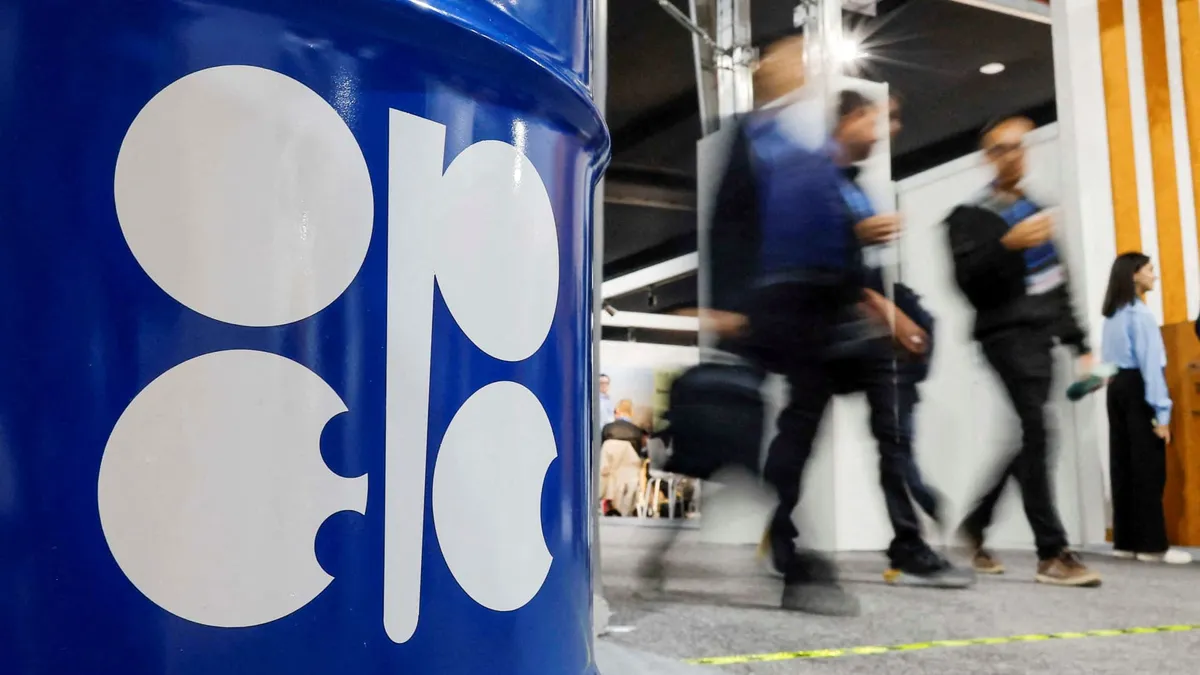
The United Arab Emirates is leaving OPEC, marking a significant shift in the oil cartel’s dynamics and its ability to control the global oil market. This decision, effective on May 1, 2026, comes after nearly 60 years of membership since the UAE became a sovereign nation in 1971.
As one of the top producers within OPEC, the UAE ranked third in oil output behind Saudi Arabia and Iraq. The country’s exit will grant it greater flexibility to increase its oil production without adhering to OPEC’s quotas.
The announcement revealed that this move aligns with the UAE’s long-term strategic and economic vision. “The decision reflects the UAE’s long-term strategic and economic vision and evolving energy profile,” stated an official announcement.
On April 15, 2026, Suhail al-Mazrouei, UAE’s Minister of Energy and Infrastructure, emphasized the benefits of independence from OPEC: “Being a country with no obligation under the group will give us flexibility.” This newfound autonomy may allow the UAE to respond more effectively to global energy demand fluctuations.
Interestingly, the UAE did not consult with other major producers like Saudi Arabia or Iran before making this pivotal decision. Jorge Leon, an analyst at Rystad Energy, noted that “the UAE withdrawal marks a significant shift for OPEC,” suggesting that it may weaken the cartel’s overall influence in energy markets.
With its strategic location near the Strait of Hormuz, through which a significant portion of the world’s oil supply passes, the UAE’s departure could have broader implications for global energy security.
This unfolding situation highlights how individual nations are re-evaluating their roles within international agreements like OPEC. As countries prioritize their national interests, shifts like these can reshape not only regional dynamics but also global energy markets.