Introduction
Norse Atlantic Airways has emerged as a significant player in the aviation sector, particularly in the transatlantic market. Launched in early 2022, the airline’s focus on providing affordable and sustainable travel options has made it a popular choice among passengers seeking a cost-effective alternative to traditional carriers. With the ongoing changes in travel patterns post-pandemic, the relevance of Norse Atlantic Airways extends beyond mere competition; it exemplifies a shift towards innovative, eco-friendly air travel.
Key Developments
In just under two years of operation, Norse Atlantic Airways has established a robust network of routes that connect major cities in Europe to North America. Operating from bases in Norway and the UK, the airline has reported strong demand for its flights. According to the latest data from the International Air Transport Association (IATA), the airline’s passenger load factor reached 80% during the summer months of 2023, reflecting a rising interest in affordable long-haul options.
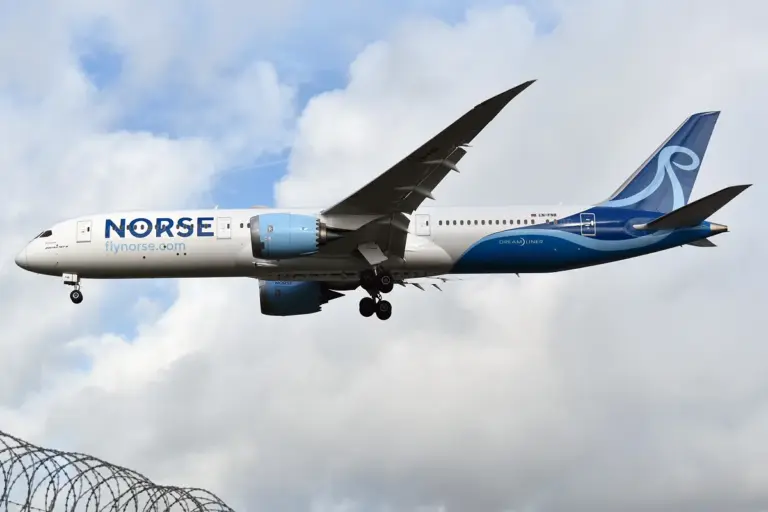
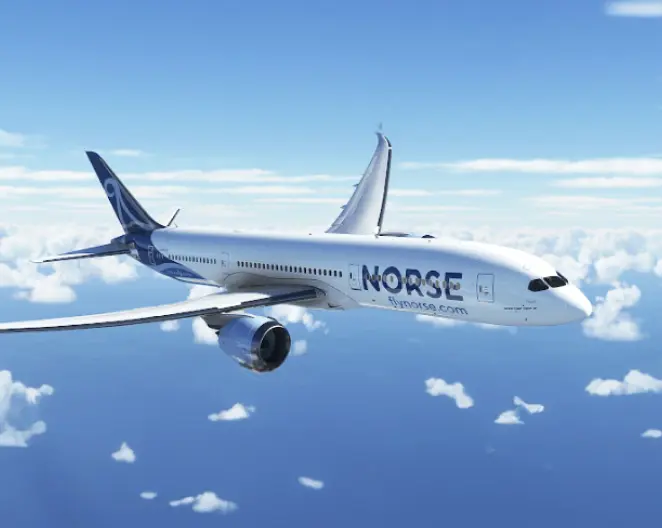
Norse Atlantic Airways employs a modern fleet of Boeing 787 Dreamliners, which are known for their fuel efficiency and lower carbon emissions compared to older aircraft. This aligns with the company’s commitment to sustainability as they target a significant reduction in environmental impact. The airline’s approach to pricing also sets it apart; by offering lower base fares with add-on services, such as additional baggage or in-flight meals, passengers can tailor their travel experiences according to their budget.
Challenges Ahead
Despite its initial success, Norse Atlantic Airways faces challenges that could impact its future growth. The highly competitive nature of the aviation industry in the transatlantic market means that maintaining profitability while keeping fares low is a fine balance. Economic factors, including fluctuations in fuel prices and inflation, also pose risks. The airline must navigate these challenges while continuing to advocate for sustainability, which is becoming increasingly important to consumers.
Conclusion
Norse Atlantic Airways represents a new approach to air travel, prioritising affordability and environmental responsibility. As travel patterns continue to evolve in a post-pandemic world, its success will depend on its ability to adapt to market demands and overcome challenges in a competitive landscape. For travellers seeking options that are both wallet-friendly and eco-conscious, Norse Atlantic Airways is likely to remain a compelling choice in the emerging evolution of air travel.