Introduction
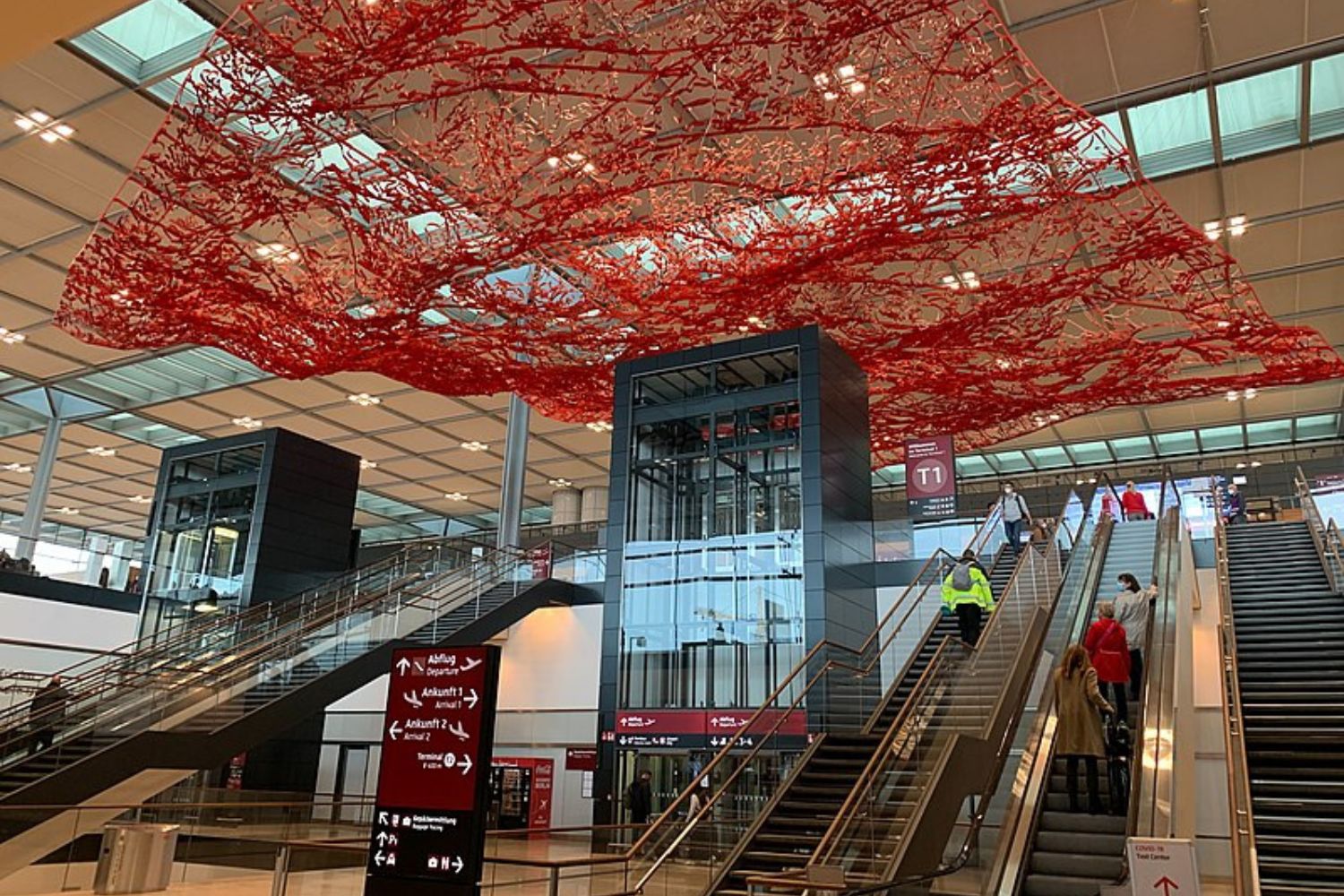
The Berlin Airport, officially known as Berlin Brandenburg Airport (BER), has been the centre of attention since its inauguration in October 2020. Despite notable delays and challenges in construction and commissioning, its relevance has grown in the context of post-pandemic air travel. With the increase in passenger traffic and enhancements in facilities, understanding the recent developments at BER is crucial for travellers and stakeholders alike.
Recent Developments
Since opening, Berlin Airport has seen a steady rise in passenger throughput. According to recent data from the airport authority, BER welcomed approximately 1.6 million passengers in August 2023, marking a significant recovery following the COVID-19 pandemic disruptions. This figure represents a 23% increase compared to the same month in 2022, indicating renewed confidence in air travel.
Additionally, plans are underway to expand the current terminal facilities to accommodate the growing passenger demand. The airport’s management has announced investments exceeding €2 billion for the expansion of terminal spaces and the enhancement of services. Efforts are focusing on improving accessibility and upgrading technology to streamline check-in and boarding processes. Such enhancements aim to increase efficiency and provide a better travelling experience.
Challenges and Solutions
However, the airport continues to face challenges, including issues related to staffing shortages and unforeseen technical hitches, which have led to flight delays and passenger inconveniences. To combat this, the airport has initiated recruitment drives and has partnered with local institutions to train new staff. This effort aims to ensure the airport is sufficiently staffed ahead of the busy summer travel season next year.
Conclusion
The Berlin Airport serves as a vital hub connecting not only Germany but also Europe to the rest of the world. Its continual development signifies its importance in the airline industry. As passenger numbers are projected to keep increasing, ongoing investment in airport facilities and services will be critical. Stakeholders, including travellers and airline companies, are hopeful that these developments will lead to a more efficient travel experience in the months and years ahead.