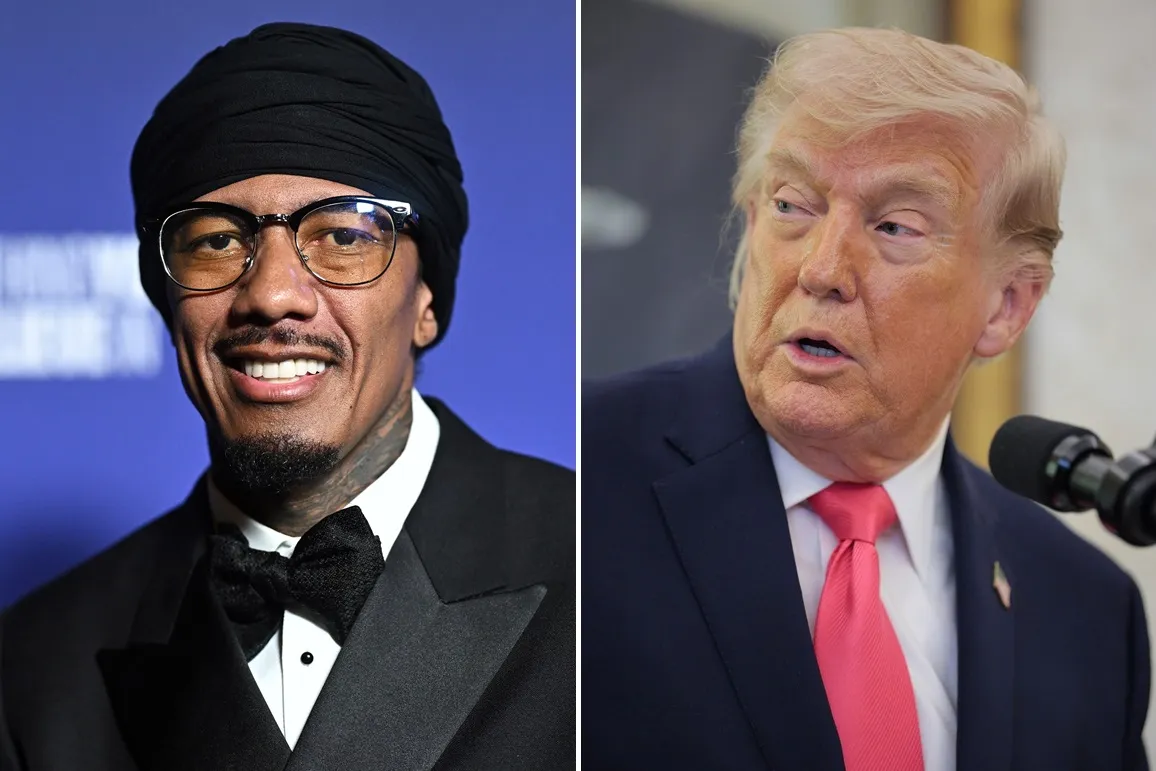
In the realm of celebrity political discourse, Nick Cannon has long been a figure of intrigue, often navigating the complexities of race and politics with a unique lens. Prior to his latest podcast episode, expectations were that Cannon would maintain a more neutral stance, perhaps aligning with the Democratic Party, which has historically been seen as the champion of civil rights. However, his recent statements have taken a sharp turn, challenging these assumptions.
On March 28, 2026, Cannon aired an episode of his podcast, “The Big Drive,” where he made headlines by labeling the Democratic Party as the “party of the KKK.” This bold assertion reflects a historical perspective that many may not fully grasp, as the Democrats had strong ties to the KKK during the Reconstruction era and opposed racial equality well into the mid-20th century.
In a decisive moment during the podcast, Cannon expressed agreement with Amber Rose’s assertion that Republicans care more about people of color, a statement that has ignited discussions among listeners. He further stated, “I f*** with Trump,” praising the former president for “cleaning house” and fulfilling his promises, which marks a significant departure from the typical celebrity narrative.
Cannon’s remarks have had immediate effects on his audience, with many expressing shock and others voicing support for his candid views. His willingness to criticize both major political parties has resonated with those who feel disillusioned by the current political landscape.
Echoing the sentiments of W.E.B. Du Bois, Cannon stated, “There’s no such thing as two parties. It’s just one evil party with two different names,” a perspective that challenges the binary view of American politics. This viewpoint has sparked a broader conversation about the effectiveness of the two-party system and its implications for marginalized communities.
Amber Rose’s contributions to the discussion further emphasized the need for a reevaluation of political loyalties, as she declared, “Democrats don’t care about Black people. They don’t care about people of color.” This sentiment, shared by Cannon, underscores a growing frustration among some voters who feel overlooked by traditional party platforms.
As Cannon’s podcast continues to circulate, experts are weighing in on the implications of his statements. Many argue that his views reflect a broader trend of discontent with the established political order, particularly among younger voters seeking authenticity and change.
While Cannon’s comments have certainly stirred controversy, they also highlight a critical dialogue about race, politics, and the future of American democracy. As the conversation unfolds, it remains to be seen how these views will influence public opinion and political engagement within the community.
Details remain unconfirmed regarding the long-term impact of Cannon’s statements, but one thing is clear: his willingness to challenge the status quo is prompting many to reconsider their political affiliations and beliefs.