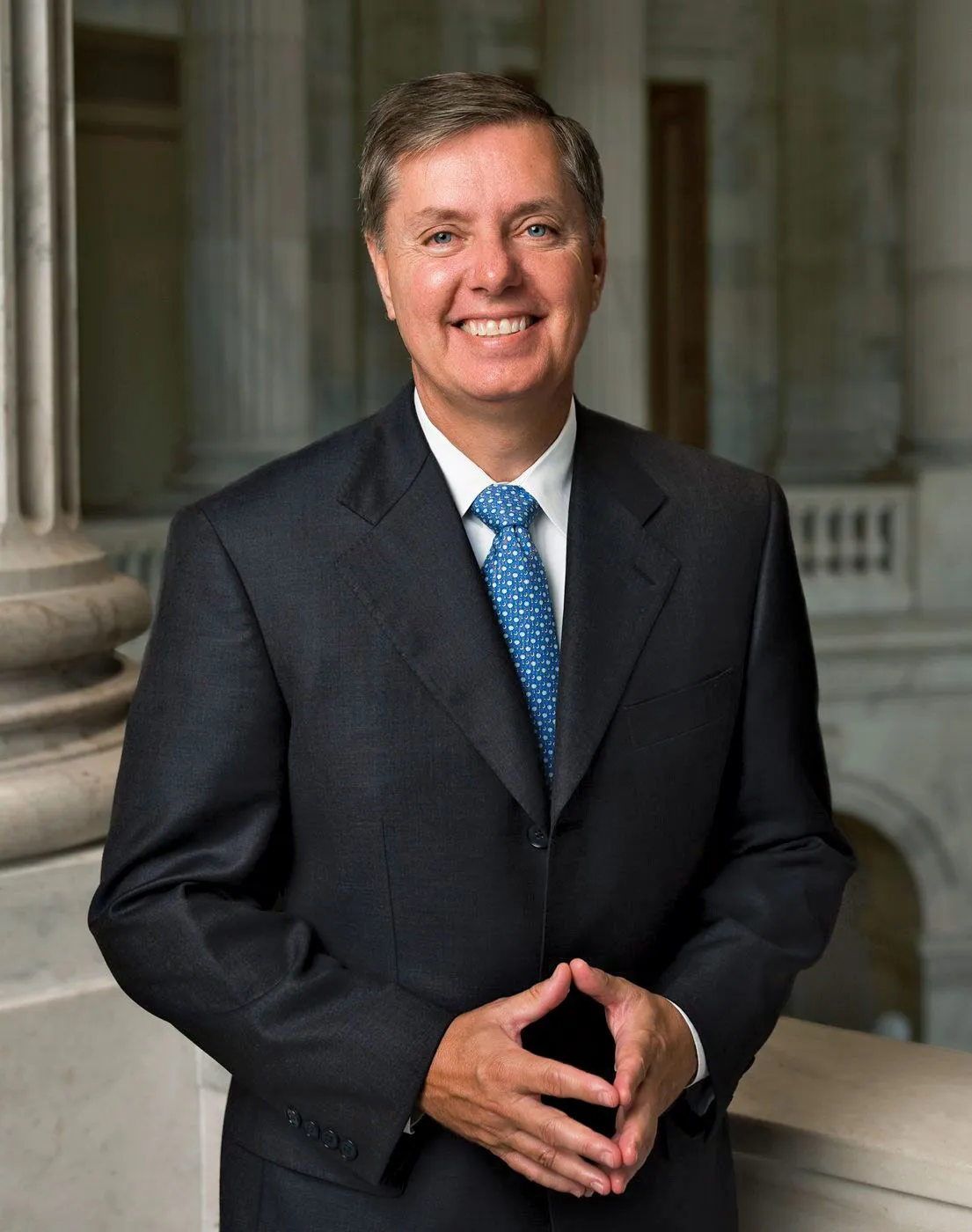
Lindsey Graham’s influence on U.S. military action in Iran
On February 28, 2026, U.S. and Israeli forces launched Operation Epic Fury, targeting Iranian military installations in a significant escalation of military action in the region. This operation has been heavily influenced by Senator Lindsey Graham, who has been a vocal advocate for aggressive military strategies against Iran.
Graham, who has served in the Senate for nearly two decades, has been a prominent figure in shaping U.S. policy towards Iran, particularly under President Donald Trump’s administration. He has characterized Iran’s leadership as “religious Nazis” and has consistently warned against pursuing diplomatic solutions with the Iranian government. His rhetoric has resonated with certain factions within the U.S. government, leading to a more militaristic approach in dealing with Iran.
The ongoing conflict has already resulted in significant casualties, with reports indicating at least 1,230 deaths in Iran, nearly 400 in Lebanon, and 11 in Israel due to the hostilities. Additionally, seven U.S. service members have lost their lives in the conflict. Graham has assured the public that there will be “no American boots on the ground” in Iran, emphasizing that the military strategy differs from previous engagements in Iraq.
Graham’s statements reflect a broader strategy that prioritizes airstrikes and support for regional allies, such as Saudi Arabia and Israel, while avoiding direct ground involvement. His influence on military decisions has drawn both support and criticism, with some observers questioning the wisdom of his aggressive stance. Former White House Communications Director Anthony Scaramucci criticized Graham, stating, “Lindsey Graham. What are you doing? You sound unhinged. You are embarrassing yourself and you are embarrassing this country.”
As the conflict unfolds, the situation remains fluid, with many uncertainties surrounding the long-term implications of the military actions. The exact outcomes of the airstrikes and their effects on Iran’s political landscape are yet to be determined. Observers are particularly concerned about the potential for a draft to be reinstated, a move that could significantly alter the dynamics of U.S. military engagement.
Graham’s long tenure in Congress has allowed him to build relationships and accumulate institutional knowledge, positioning him as a key player in U.S. foreign policy. His assertion that “the future of Iran is going to be determined by the Iranian people” underscores a belief in the potential for internal change within Iran, although the means to achieve that change through military action remains contentious.
As the situation develops, details remain unconfirmed regarding the full extent of the military operations and their potential repercussions for the region. The coming weeks are expected to be critical, with Graham himself stating, “The next two weeks will be hell,” indicating the high stakes involved in the ongoing conflict.