Introduction
Nigeria, Africa’s most populous nation and one of its largest economies, continues to face a host of challenges and developments that hold significant relevance not just locally, but also globally. As the nation grapples with political tensions, economic hurdles, and social issues, understanding these dynamics sheds light on the overall outlook of West Africa’s largest democracy.
Political Landscape
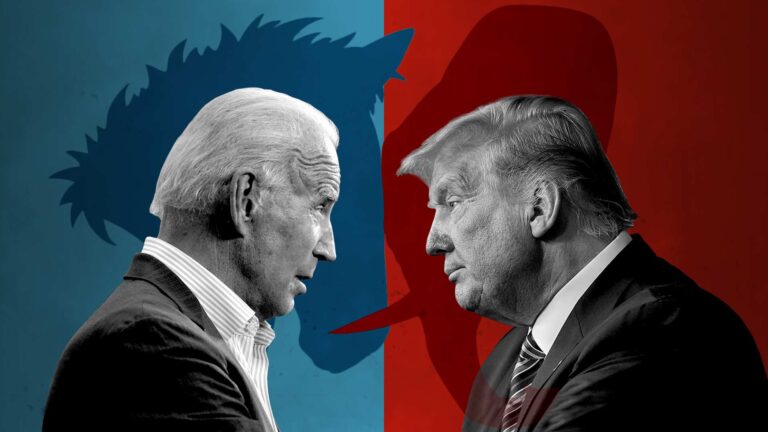
The political climate in Nigeria has been tumultuous, particularly in the lead-up to the 2023 general elections. With the rising concerns about electoral integrity and the growing influence of violence, questions about the viability of democratic processes in the country have taken centre stage. The recent endorsement of presidential candidates from both the ruling and opposition parties has intensified the race for power, raising expectations for reform amidst widespread corruption and disenfranchisement.
Economic Challenges
Nigeria’s economy, which heavily relies on oil exports, has faced a significant downturn due to fluctuating global oil prices and the lingering impacts of the COVID-19 pandemic. The Central Bank of Nigeria has introduced various monetary policies to combat increasing inflation, which stands at over 16% as of September 2023. The government has also implemented programmes aimed at boosting local production and reducing dependency on imports, yet challenges such as unemployment and poverty rates above 40% persist.
Social Issues and Human Rights
The social fabric of Nigeria is under strain, with rising instances of communal violence, banditry, and terrorism, particularly from groups like Boko Haram in the northeast. In response, the government has ramped up military operations to restore peace, leading to international concerns regarding human rights abuses in conflict zones. Additionally, there is a growing call for improved governance, representation, and societal reforms to address the underlying issues of inequality and unrest.
Conclusion
As Nigeria moves forward, the interplay between political, economic, and social factors will significantly shape its future. With elections set to occur in 2023, citizens are hopeful for a palpable change in leadership that prioritises transparency and development. The international community continues to observe closely, with implications for foreign relations, trade, and investment in Nigeria. Addressing these challenges head-on could lead to a brighter future for a nation rich in resources yet struggling for stability and growth.