Introduction
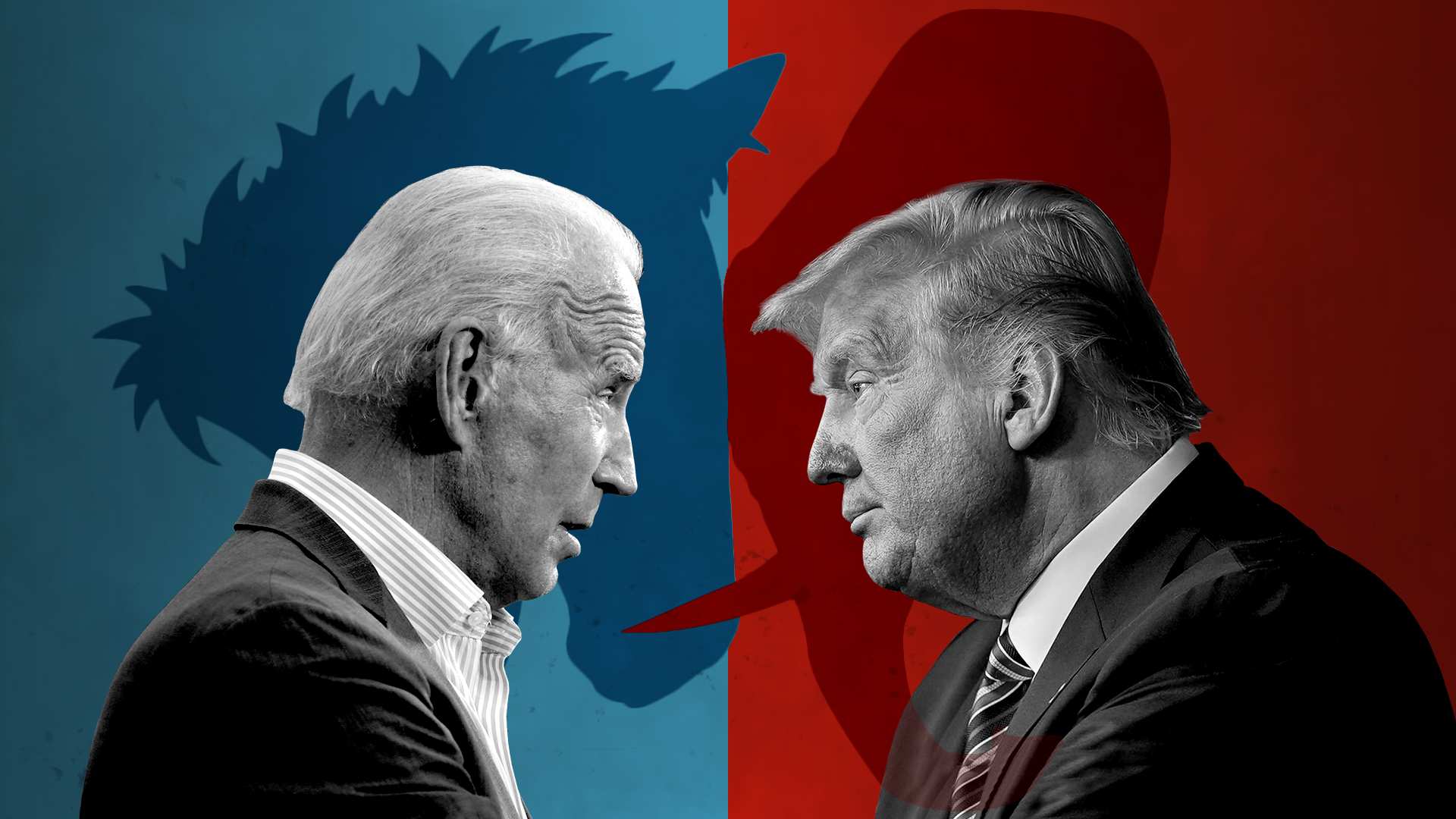
The political identity of Donald Trump has sparked considerable debate since he emerged as a prominent figure in American politics. As a businessman-turned-politician, his alignment affects not just his personal brand but also the broader Republican Party. Understanding whether Trump is a Republican or Democrat is crucial for voters, political analysts, and party members, especially as the 2024 presidential election approaches.
Trump’s Political Background
Donald Trump registered as a Republican in 1987, and for much of his early career, he was known for making donations to both Republican and Democratic candidates. However, his presidency from 2016 to 2020 solidified his status within the Republican Party. Trump’s policies, such as tax cuts, a hardline immigration stance, and deregulation, are reflective of traditional Republican values.
Divisive Moments and Party Dynamics
Despite his firm alignment with Republican ideals, Trump has also been a polarising figure. His presidency saw an increase in tensions within the party, particularly between traditional conservatives and more populist factions. His rhetoric and approach to governance have led some to label him an outsider, even among Republicans. The Capitol riot on January 6, 2021, further complicated his standing, drawing condemnation from some party members while endearing him to a significant base of die-hard supporters.
Current Status and Future Prospects
As of now, Trump remains a powerful figure in Republican politics, announcing his candidacy for the 2024 presidential election. Polls indicate strong support among Republican voters, reinforcing his dominant influence within the party. However, a faction of the GOP continues to express concerns regarding his divisive nature, weighing the need for a more unifying candidate.
Conclusion
In conclusion, Donald Trump is officially a Republican, having aligned himself with the party for over three decades. His impact on the Republican Party cannot be understated, as he continues to shape its direction heading into the upcoming elections. Voters must consider not just his affiliation but also the implications of his leadership style and policies, as the future of American politics hangs in the balance. As the 2024 election draws closer, the question remains: can Trump maintain his grip on the Republican Party, or will new leaders emerge to redefine its identity?