Introduction
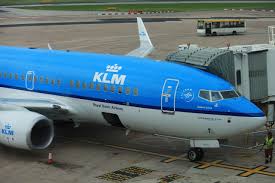
KLM Royal Dutch Airlines, the flag carrier airline of the Netherlands, has always been a prominent player in the aviation industry, known for its innovative services and commitment to environmental sustainability. As we emerge from the impact of the COVID-19 pandemic, KLM is updating its strategies to enhance passenger experience while prioritising eco-friendly practices. This topic is particularly relevant as air travel demand continues to rise, leading to vital discussions on how airlines like KLM can evolve to meet contemporary needs.
Recent Developments
In recent months, KLM has made significant strides in enhancing its customer service offerings. In October 2023, the airline announced a partnership with renowned culinary experts to upgrade their in-flight meals, aiming to provide passengers with a gourmet experience that reflects Dutch culture and culinary traditions. The new menu items, set to roll out next year, feature sustainably sourced ingredients, aligning KLM with its ongoing sustainability goals.
Additionally, KLM has recommitted to reducing its carbon emissions, pledging to achieve a 50% reduction by 2030, compared to 2019 levels. The airline has invested in new aircraft with lower fuel consumption and is actively participating in the development of sustainable aviation fuels (SAF). The first flights powered by SAF are scheduled to begin in 2024, marking a significant move towards greener air travel.
Future Plans
Looking ahead, KLM is set to expand its route network, with the anticipated launch of several new international destinations in 2024. This expansion reflects the increasing demand for air travel post-pandemic, alongside a strategic goal to connect more regions and support business and tourism sectors worldwide.
Moreover, in response to traveller feedback, KLM is enhancing its digital services, improving its mobile app features to make booking flights and managing itineraries simpler and more efficient. These enhancements illustrate KLM’s commitment to providing a seamless travel experience.
Conclusion
As KLM Royal Dutch Airlines continues to adapt and grow in a post-pandemic world, its focus on enhancing flight experiences, increasing sustainability efforts, and expanding its global reach will be crucial for attracting passengers. With changes on the horizon, KLM’s initiatives mark a significant step in the evolution of air travel, emphasising the airline’s dedication to innovation and environmental responsibility. For travellers, these developments are certainly promising, paving the way for a more enjoyable and eco-conscious flying experience.