Introduction
Wizz Air, a leading low-cost airline based in Hungary, has emerged as a significant player in the European travel industry. As travel continues to rebound post-pandemic, understanding Wizz Air’s operations, fleet expansion, and routes is crucial for budget-conscious travellers. With its commitment to affordability and accessibility, Wizz Air is reshaping the air travel landscape.
Wizz Air’s Growth and Expansion
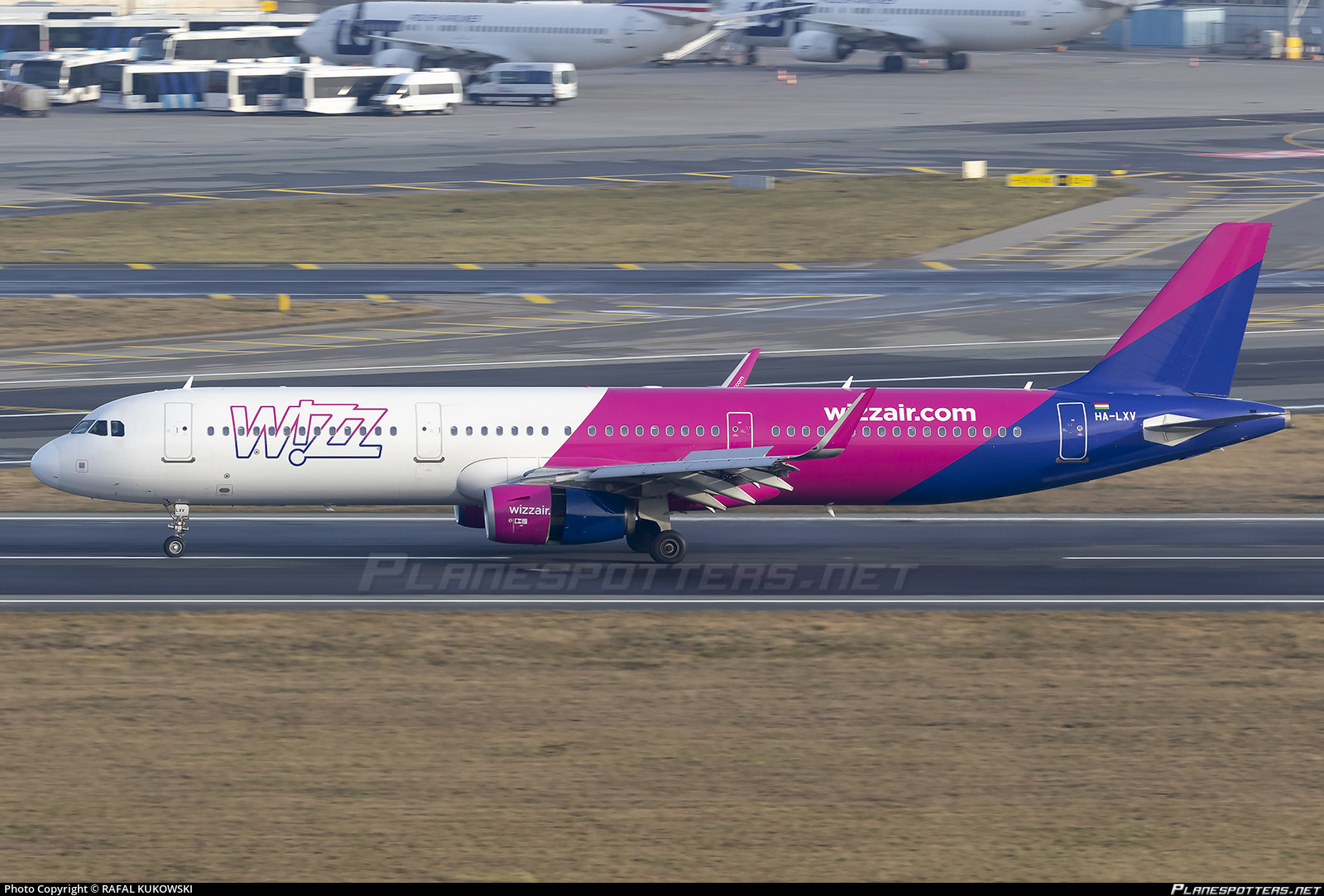
Founded in 2003, Wizz Air has experienced substantial growth over the past two decades. The airline operates a fleet of over 150 aircraft, focusing predominantly on Airbus A320 family planes and the larger A321XLR models, which allow for greater distances and more passengers. Recently, Wizz Air announced the addition of new routes to popular destinations across Europe and beyond, aiming to reach more travellers than ever before.
In 2023, Wizz Air added several routes from its UK bases, contributing to increased connectivity in Europe. Some of the new routes include flights to lesser-explored cities, catering to adventurers and those seeking unique travel experiences. Additionally, Wizz Air has been continually revamping its customer service offerings to enhance traveller satisfaction, including improved online check-in processes and expanded in-flight services.
Recent Developments
This year, Wizz Air has also made strides in sustainability, committing to a 25% reduction in CO2 emissions per passenger by 2030. The airline is investing in new, more fuel-efficient aircraft and implementing operational changes to lessen its environmental footprint. This commitment is essential as airlines face increased scrutiny regarding sustainability practices.
Conclusion
The future for Wizz Air looks promising, especially as demand for low-cost travel options surges in a recovering market. With an expanding route network, a modern fleet, and a focus on sustainability, Wizz Air is well-positioned to attract budget-conscious travellers looking for affordable yet reliable air travel. As the industry evolves, Wizz Air’s innovations could serve as a model for other carriers aiming to balance cost and eco-friendly practices in the years ahead.