Introduction
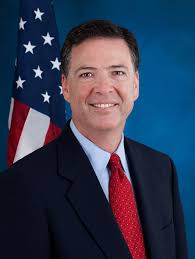
James Comey, the former Director of the Federal Bureau of Investigation (FBI), is a prominent figure in recent American history. His leadership during pivotal moments, such as the investigation into Hillary Clinton’s emails and the probe into Russian interference in the 2016 presidential election, has sparked significant discussion regarding law enforcement, justice, and political influence. Understanding his contributions is essential to grasping the current dynamics of American politics and the justice system.
Career Overview
James Comey’s career began in the legal field after earning his law degree from the University of Chicago. He served as a federal prosecutor and held various positions within the U.S. Department of Justice. In 2013, Comey was appointed as FBI Director by President Barack Obama, a position he held until his controversial dismissal by President Donald Trump in May 2017.
Clinton Email Investigation
One of Comey’s most notable and discussed actions as FBI Director was his handling of the investigation into Hillary Clinton’s use of a private email server during her tenure as Secretary of State. In July 2016, Comey publicly announced that the FBI had found no evidence that Clinton intended to violate laws but criticized her handling of classified information. This announcement had lasting implications on the 2016 presidential election, leading to claims of bias from both sides of the political spectrum.
Russian Interference Inquiry
Following the election, Comey played a crucial role in investigating Russian interference in the 2016 presidential election. His testimony before Congress in June 2017, where he disclosed details about his interactions with President Trump, heightened scrutiny on the administration and led to the appointment of Special Counsel Robert Mueller. Comey characterized Trump as a dishonest leader, stating that he had felt pressured to drop the investigation into Michael Flynn, Trump’s former National Security Advisor.
Controversies and Legal Challenges
Comey’s actions led to significant backlash and controversies. His dismissal in May 2017, amid the Russian interference investigation, raised questions about political motives within the FBI. In response, Comey penned a memoir titled *A Higher Loyalty*, which details his experiences and principles, providing insights into his leadership and decision-making processes.
Conclusion
James Comey remains a contentious and influential figure in American law enforcement and politics. His actions have sparked debates over the impartiality of federal investigations and the balance of power within the U.S. government. As investigations surrounding past events continue and as political landscapes evolve, Comey’s legacy will likely remain significant. Understanding his role helps shed light on the complexities of contemporary political discourse and the challenges facing law enforcement in the 21st century.