Who is involved
Intel Corporation, a major player in the semiconductor industry, has experienced notable shifts in its stock performance recently. Historically, expectations surrounding Intel’s stock were cautious, particularly following a tumultuous period marked by a significant loss in its foundry business. The company reported a staggering $2.5 billion loss in Q4, which raised concerns among investors and analysts alike.
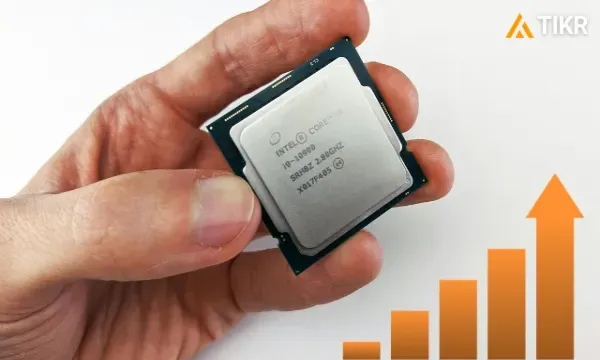
However, a decisive moment occurred on March 5, 2026, when Intel’s stock price surged by 6.6%, bringing its current value to $45.8. This increase comes after a remarkable 88.63% rise over the past 12 months, indicating a potential turnaround for the company. Prior to this surge, Intel’s stock was trading 16% below its 52-week high, which ranges from $17.7 to $54.6, reflecting a volatile market environment.
The immediate effects of this stock price increase have been felt across various stakeholders. Investors who had been wary of Intel’s performance are now reassessing their positions, while analysts are providing mixed ratings, with the average price target set at $44.50. Despite the recent gains, the stock still carries a Hold Rating, suggesting that while there is optimism, caution remains prudent.
Expert voices in the industry have weighed in on the situation. Lip-Bu Tan, a prominent figure in the semiconductor sector, noted that “a couple of customers are knocking on my door now and say, hey, it seems like your 18A is doing well, we want to be part of that.” This statement underscores a growing interest in Intel’s technology, particularly its advanced manufacturing processes, which could bolster future revenue streams.
Looking ahead, Intel’s normalized earnings per share (EPS) is projected to recover from $0.42 in 2025 to $0.99 in 2027, suggesting a positive trajectory for the company’s financial health. However, uncertainties remain regarding the impact of external foundry customer commitments on Intel’s stock performance. Analysts caution that the future trajectory of Intel’s stock price is still uncertain due to mixed ratings and prevailing market conditions.
In summary, while Intel Corporation’s stock has shown signs of recovery, the path forward is fraught with challenges. The company’s ability to stabilize its foundry business and attract new customers will be critical in determining its long-term success. As the market continues to evolve, stakeholders will be closely monitoring Intel’s performance and strategic decisions.