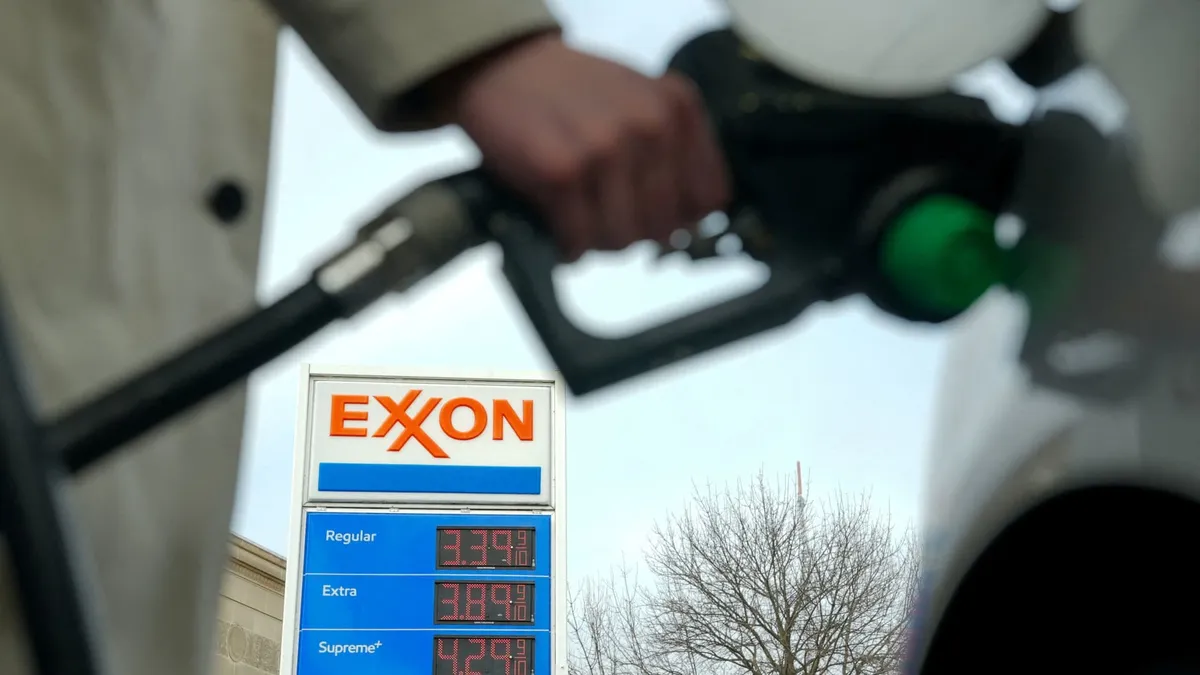
The Strait of Hormuz is the most important sea route for oil exports in the world. Recent geopolitical tensions, particularly the conflict involving the U.S. and Israel’s military actions against Iran, have sent shockwaves through the global oil market. As a result, U.S. gasoline prices have surged above $4 per gallon for the first time in more than three years, with the nationwide average hitting $4.018, the highest level since August 2022.
This dramatic increase in fuel costs, which has soared more than 30% since the onset of the conflict in late February, has left many Americans feeling the pinch at the pump. The average monthly gas price in March is expected to be 25% higher compared to February, a trend that is causing concern among consumers and economists alike.
Diesel prices have also crossed the $5 per gallon mark, reflecting a staggering increase of over 40% since before the conflict began. This rise in fuel costs has not only affected individual drivers but has also had a ripple effect on various sectors, including transportation and logistics, leading to increased prices for goods and services across the board.
According to estimates, Americans have spent an additional $8 billion on gasoline since the start of the Iran war, highlighting the financial burden that rising fuel prices are placing on households. As oil prices have surged more than 50% since the conflict began, the implications for inflation are becoming increasingly concerning.
Lee Zeldin, a prominent political figure, expressed his worries, stating, “We foresee potential for a disruption to the American fuel supply.” This sentiment is echoed by industry experts, with Patrick De Haan warning that the situation could “ignite additional inflation” as consumers grapple with the rising costs of everyday essentials.
Andy Lipow, an oil industry analyst, pointed out that consumers are already experiencing “sticker shock” from the rising gasoline prices, which have also led to increased airline ticket prices due to the rising cost of jet fuel. The interconnectedness of fuel prices with broader economic factors is becoming increasingly evident, leaving many to wonder how long these trends will continue.
In response to the escalating situation, the Environmental Protection Agency (EPA) is temporarily lifting some regulations to increase gas supplies, a move aimed at alleviating some of the pressure on consumers. However, the effectiveness of this measure remains to be seen as the conflict continues to unfold.
JD Vance, another key voice in the discussion, acknowledged the seriousness of the situation, stating, “We’ve got a problem, we know we have a problem, and we’re doing everything we can to address it.” As the community navigates these challenging times, the hope is that swift action can mitigate the impact of rising gasoline prices and restore some stability to the market.