Introduction
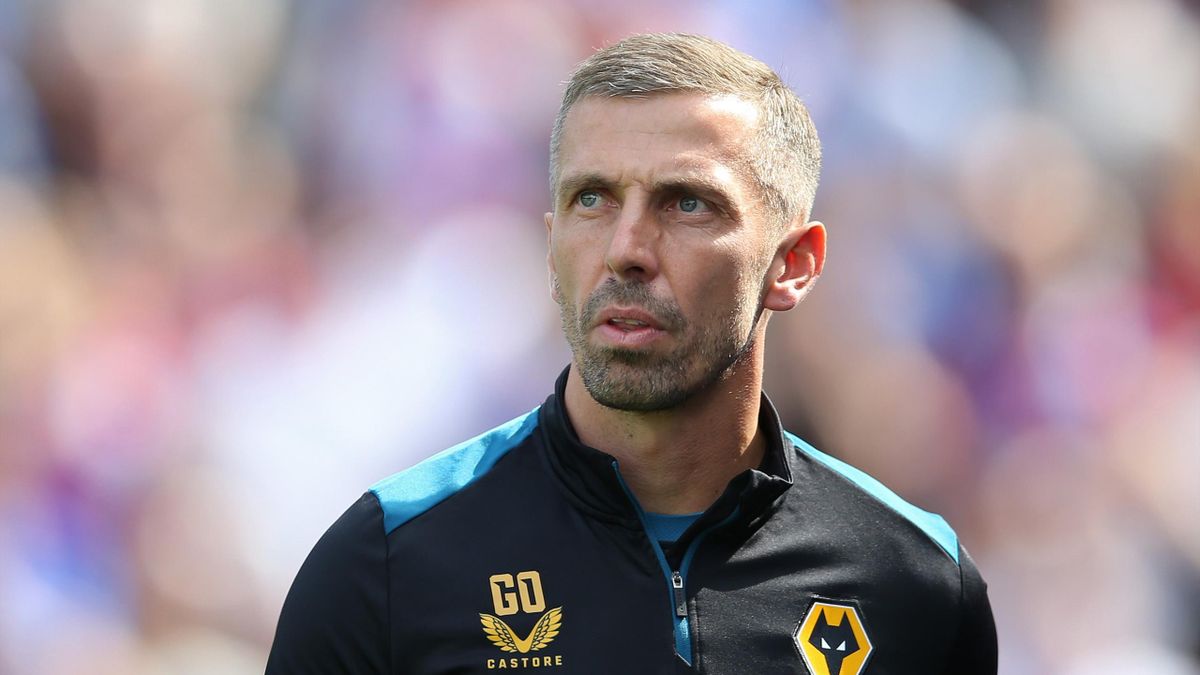
Gary O’Neil has emerged as a significant figure in English football management, particularly resonating with fans and players alike. His journey highlights the dynamic nature of modern football management, where former players often transition into key roles on the sidelines. With his recent appointment as manager of AFC Bournemouth in November 2022, O’Neil has quickly gained recognition for his tactical acumen and leadership skills.
Career Progression
O’Neil, who began his professional playing career at Portsmouth in 2000, enjoyed spells at several clubs including Southampton, Middlesbrough, and Queens Park Rangers. He retired from professional football in 2015 and immediately began to carve a niche for himself in coaching, starting as a first-team coach at Bournemouth.
His initial foray into management came in September 2022 when he was appointed as interim manager following the dismissal of Scott Parker. Under his interim management, Bournemouth experienced a remarkable turnaround, securing key victories against teams like Leicester City and Fulham. His impressive performance in this role led to his confirmation as the club’s permanent manager.
Leadership and Tactics
One of O’Neil’s notable traits as a manager is his ability to motivate players and instil a sense of unity within the squad. His strategic approach to games emphasises a solid defensive structure coupled with quick counter-attacks, a style that has proven effective in the Premier League. Fans and analysts have praised his tactical flexibility, often adapting his formations to best exploit the weaknesses of opponents.
During the 2022-2023 season, under O’Neil’s guidance, Bournemouth managed to secure their Premier League status after a season fraught with challenges. His calm demeanor and focused work ethic have been pivotal in keeping the team resilient during tough fixtures.
Significance and Future Prospects
O’Neil’s ascent to management showcases the increasing influence of former players in shaping the future of football. His success with Bournemouth has placed him on the radar of fans and pundits alike, igniting discussions about his potential to take on larger managerial roles in the coming seasons.
As the football landscape continues to evolve, keeping an eye on O’Neil’s career trajectory may provide keen insights into the managerial decisions that shape clubs in the Premier League and beyond. Should his current success continue, it’s conceivable that he will lead Bournemouth to new heights, further establishing him as a respected figure in English football.
Conclusion
Gary O’Neil’s journey from a reliable midfielder to a promising football manager serves as an inspiring narrative for many aspiring coaches. His commitment to development and innovative management tactics could very well herald a new era for teams under his stewardship, making him a key figure to watch in the years ahead.