Introduction
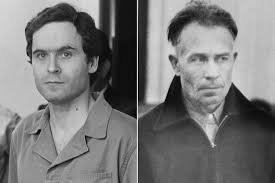
The connections between infamous criminals often invoke curiosity, particularly when it involves how one might have influenced the apprehension of another. Ed Gein, a notorious figure in American criminal history, known for his gruesome crimes in the 1950s, and Ted Bundy, infamously recognised as one of the most infamous serial killers of the 20th century, further blur the lines between horror and reality. Understanding whether Ed Gein played a role in aiding detectives in catching Bundy needs to consider both their timelines and any possible influence of Gein’s case on criminal profiling techniques.
Background on Ed Gein
Ed Gein, often referred to as the ‘Butcher of Plainfield,’ was arrested in 1957 after the disappearance of local woman Bernice Worden. His subsequent trial revealed his macabre activities, which included grave robbery and the crafting of items from human remains. Gein’s case shocked the nation and has been cited as an inspiration for fictional characters, such as Norman Bates in “Psycho” and Leatherface in “The Texas Chainsaw Massacre.” His capture and psychological profile became focal points for law enforcement’s understanding of serial killers.
Ted Bundy’s Criminal Activity
Ted Bundy, who operated in the 1970s, was a different type of offender who used his charm and intelligence to lure his victims. His brutal crimes across multiple states brought immense media attention and law enforcement challenges. The investigation into Bundy’s activities saw the emergence of more sophisticated profiling techniques. The significance of Gein’s case in catalysing these methods cannot be understated, although the two cases did not directly intersect.
Influence on Law Enforcement Techniques
Though Gein could not have helped detectives catch Bundy in a literal sense, his case laid groundwork for criminal psychology. Law enforcement agencies began to adopt profiles and psychological assessments of serial killers following Gein’s case. By the time Bundy was under investigation, detectives were beginning to understand the mind of a killer better. The understanding of psychopathic behaviour shaped the way detectives identified patterns in Bundy’s crimes. Some detectives even referenced Gein’s behaviours later, illustrating how past cases can unravel strategies for apprehending serial offenders.
Conclusion
In summary, while Ed Gein did not directly assist detectives in catching Ted Bundy, his influence is notable in how the understanding of criminal behaviour evolved in law enforcement circles. The lessons learned from Gein’s horrific actions aided investigators and ultimately contributed to the identification methods that led to Bundy’s arrest in 1978. This serves as a reminder of the lasting impact that initial cases have in shaping criminal justice approaches, underscoring the significance of studying historical criminals to enhance current methodologies.