Before the Puzzle Shift
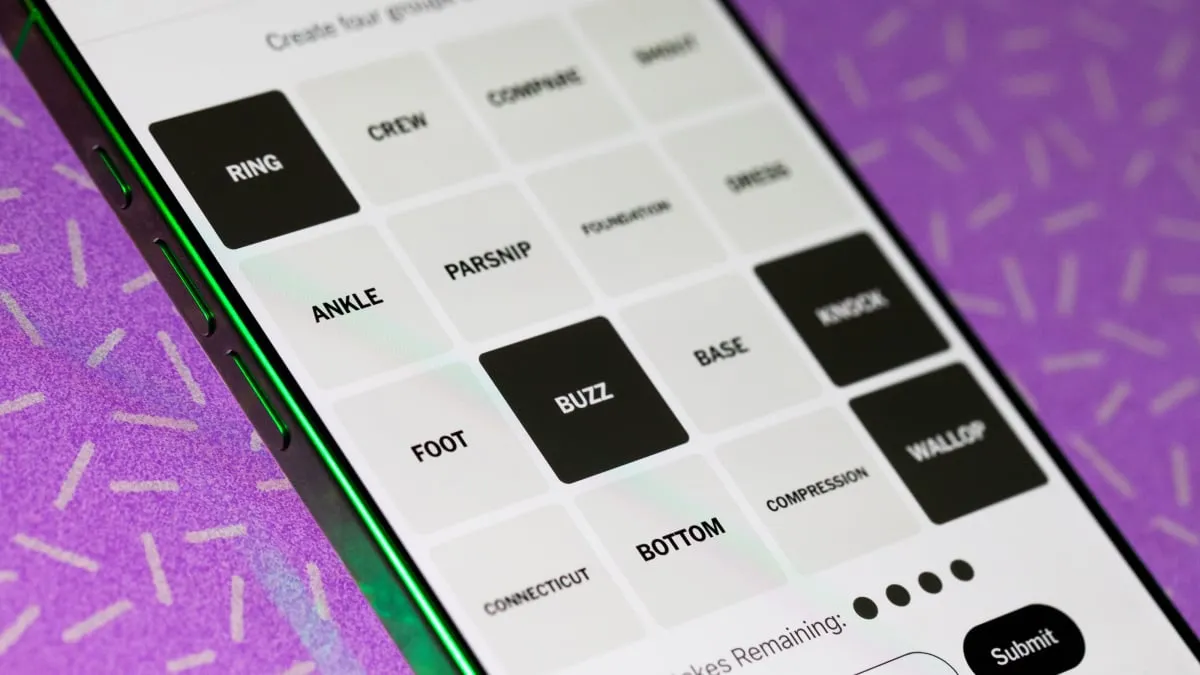
Prior to the latest development in the NYT Connections puzzle, players were accustomed to a variety of categories that often included common nouns, themes, and wordplay. The game, published daily by the New York Times, has long been a staple for those seeking a mental challenge. Traditionally, players would group answers based on straightforward associations, with categories that were sometimes predictable. The anticipation of encountering familiar themes was a hallmark of the game, providing a sense of comfort and routine for its dedicated audience.
The Decisive Moment
However, the March 9, 2026, puzzle, identified as game #1002, marked a significant shift. The introduction of a blue category specifically dedicated to Muppet characters—featuring Fozzie, Gonzo, Beaker, and Animal—added a layer of pop culture that was previously less emphasized. This change not only diversified the puzzle’s offerings but also catered to a demographic that appreciates the intersection of nostalgia and wordplay. The hints provided for this category were directly related to the Muppets, signaling a deliberate move to engage fans of the franchise.
Immediate Effects on Players
The immediate effects of this shift were palpable among players. Many expressed excitement over the inclusion of beloved characters, which transformed the experience from a mere word game into a celebration of pop culture. The challenge now involved not just linguistic skills but also a familiarity with Muppet lore. Players found themselves reminiscing about their favorite moments from the Muppets, creating a more engaging and personal connection to the puzzle. This new dynamic encouraged discussions among friends and family, as they collaborated to solve the puzzle while sharing their fond memories of the characters.
Expert Perspectives
Experts in game design and linguistics have noted that such thematic shifts can significantly enhance player engagement. According to one expert, “The category types in today’s Connections puzzle reflect a strategic move to incorporate elements that resonate with a wider audience. The blue category, themed around Muppets, taps into a cultural phenomenon that many can relate to, thus making the puzzle more accessible and enjoyable.” This perspective highlights the importance of evolving game mechanics to maintain player interest and satisfaction.
Category Breakdown
The March 9 puzzle featured not only the blue category with Muppet characters but also three additional categories. The yellow category included words that start with the same sound but are spelled differently, such as Warehouse, Wearable, Werewolf, and Wherefore. The green category focused on metaphors for public scrutiny, including terms like Fishbowl, Hot Seat, Microscope, and Spotlight. Lastly, the purple category encompassed items that feature a boss, such as Company, E Street Band, Mafia, and Video Game. This diverse array of categories exemplifies the puzzle’s commitment to challenging players in various ways.
Looking Ahead
As the NYT Connections puzzle continues to evolve, the integration of pop culture elements like Fozzie, Gonzo, and Beaker may set a precedent for future puzzles. Players can expect more thematic categories that resonate with contemporary culture, potentially attracting new audiences while retaining the loyalty of existing fans. The blend of nostalgia and challenge could redefine how players approach word games, making them not just a test of vocabulary but also a celebration of shared cultural experiences.
While the NYT Connections puzzle has always been a platform for linguistic creativity, the recent inclusion of Muppet characters signifies a broader trend towards incorporating popular culture into traditional formats. As players navigate these new categories, they are not only solving puzzles but also engaging with the cultural narratives that shape their experiences. Details remain unconfirmed regarding future themes, but the excitement surrounding this shift is undeniable.