Introduction
Westminster Bridge is not only a vital thoroughfare in London but also a symbol of the city’s rich history and cultural heritage. Spanning the River Thames, it connects the Palace of Westminster with Lambeth, serving as a key transportation link while also attracting millions of visitors each year. Its significance extends beyond mere utility; it is a site steeped in historical events and architectural brilliance.
Historical Background
The original Westminster Bridge was opened in 1750, designed by architect Thomas Page. However, it was the construction of its successor, completed in 1862 and designed by Sir Joseph Bazalgette, that established its current form. The bridge features a striking green coloration that mirrors the leather benches of the House of Commons, symbolising its connections to British democracy. Over the years, the bridge has endured significant events – from the Victorian age of industry to its pivotal role during World War II.
Recent Developments
Westminster Bridge has recently seen considerable renovation work aimed at preserving its structural integrity while enhancing its aesthetic appeal for pedestrians and cyclists. In 2023, major restoration projects commenced, focusing on repairs to the stonework and improvements to the bridges’ lighting system. Authorities are also considering ways to improve traffic flow and reduce congestion, which is a vital aspect given the increasing number of tourists visiting London.
Events and Significance
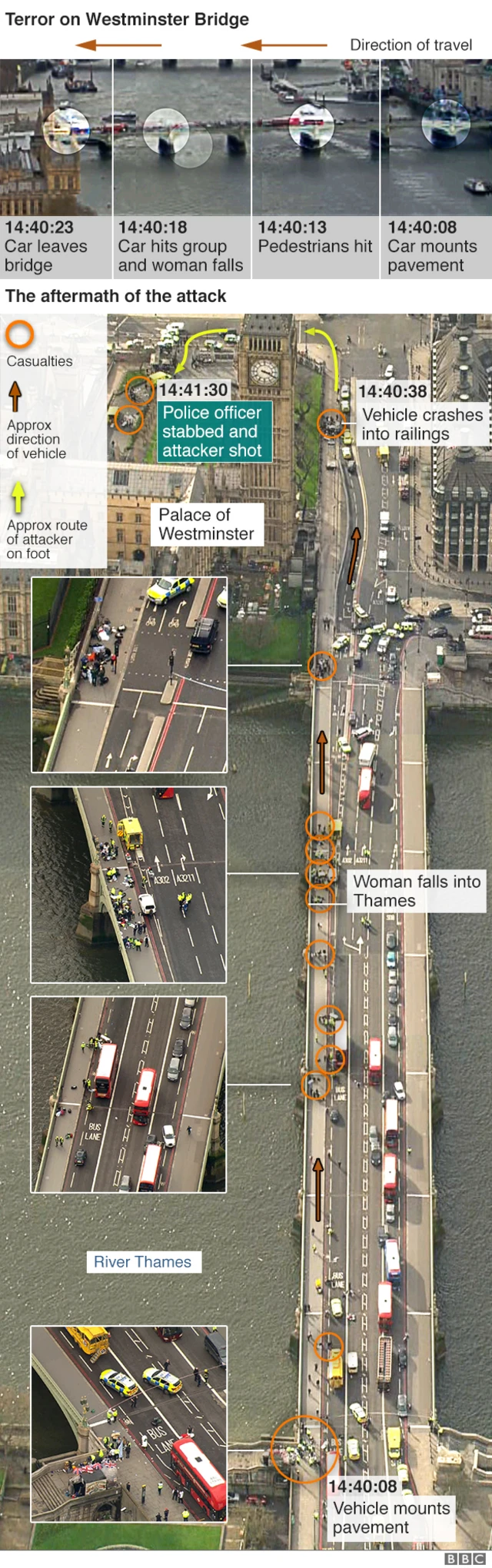
Notably, Westminster Bridge has been the site of various historical occurrences, including protests, celebrations, and solemn commemorations. One of the most significant recent events was the tragic terrorist attack in March 2017, where the bridge became a crime scene. This incident highlighted the bridge’s importance in the fabric of London life and triggered discussions about security measures in public spaces. Following the attack, safety refurbishments have been prioritised to ensure the safety of both pedestrians and vehicles.
Conclusion
Westminster Bridge remains an iconic structure within London, reflecting the blend of history, politics, and modern challenges. Its architectural beauty and cultural significance continuously captivate locals and visitors alike. As London continues to evolve, maintaining the bridge’s integrity while accommodating an expanding metropolitan population will be paramount. The future of Westminster Bridge reflects not only the resilience of London’s infrastructure but also the enduring representation of British democratic culture.