Introduction
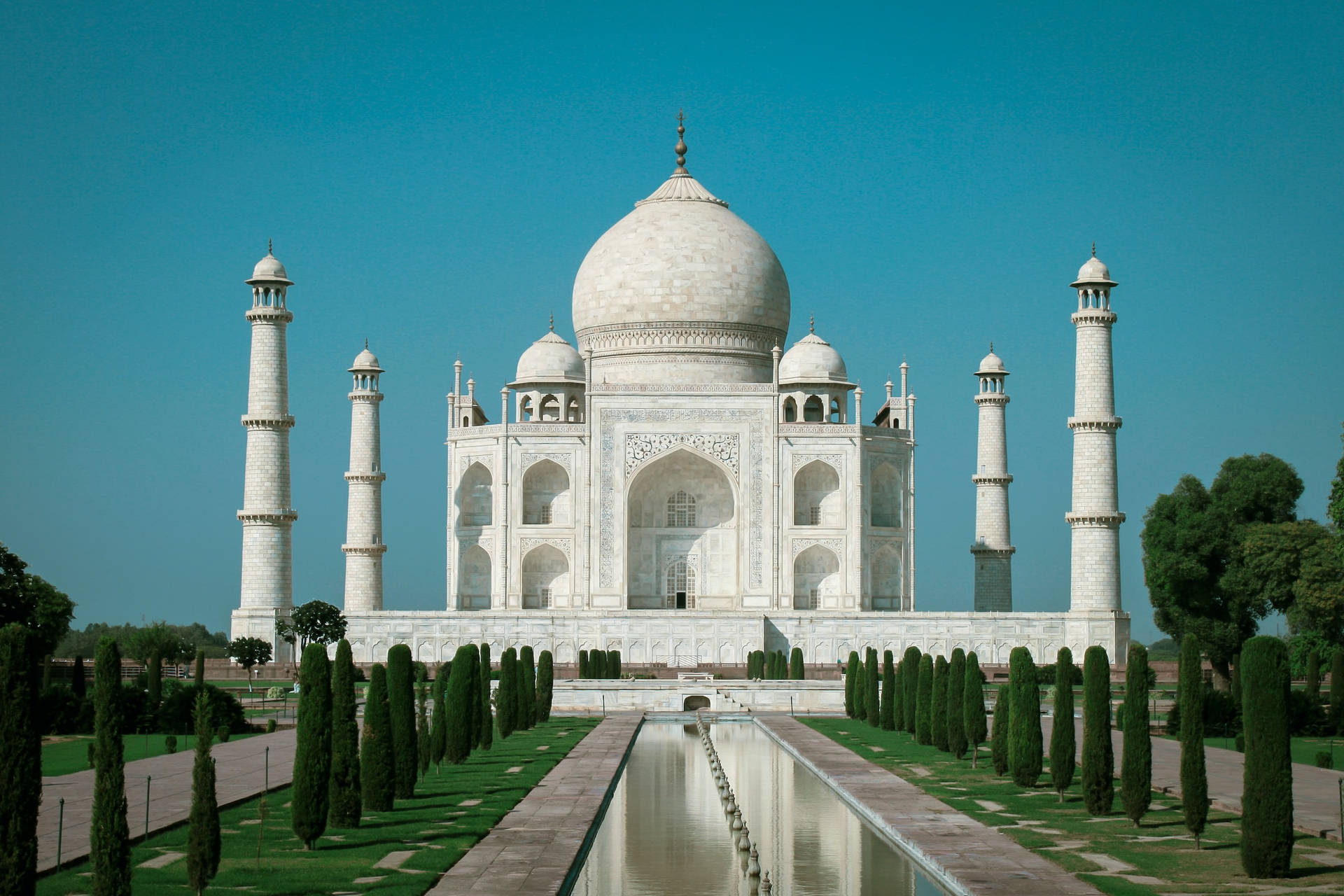
The Taj Mahal, an iconic symbol of India’s rich history and architectural prowess, stands as a testament to the enduring nature of love. Located in Agra, Uttar Pradesh, this magnificent mausoleum was commissioned by the Mughal emperor Shah Jahan in memory of his beloved wife, Mumtaz Mahal. Recognised by UNESCO as a World Heritage Site, the Taj Mahal attracts millions of visitors each year, making it one of the most visited landmarks in the world. Its significance goes beyond mere aesthetics, embodying the historical, cultural, and emotional depth of Indian heritage.
Constructed to Perfection
The construction of the Taj Mahal began in 1632 and took approximately 22 years to complete, involving thousands of artisans, craftsmen, and labourers. Designed by Ustad Ahmad Lahori, the structure is renowned for its stunning white marble façade, which changes colour throughout the day and night due to varying light conditions, creating a mesmerizing effect. Intricate carvings, precious gemstones, and harmonious proportions combine to form a visual masterpiece, showcasing the zenith of Mughal architecture.
Recent Developments and Conservation Efforts
In recent years, the Taj Mahal has faced various challenges, including environmental issues, pollution, and the wear and tear of its intricate designs. To combat these threats, the Indian government has implemented numerous conservation efforts, such as the “Taj Protection Task Force,” which focuses on maintaining the site’s structural integrity and cleanliness. In 2023, a significant restoration project was initiated, aimed at cleaning the marble surfaces and restoring the original vibrancy of its detailed motifs. As a result, these efforts ensure that the Taj Mahal continues to inspire future generations.
Significance for Tourists and Locals
The Taj Mahal not only serves as a major tourist attraction but also as a vital part of India’s cultural identity. For many couples, particularly those on honeymoon, visiting the Taj Mahal is a rite of passage, symbolising eternal love. Local vendors, artisans, and tour operators benefit economically from the influx of tourists, fostering a thriving economy in Agra. However, the large number of visitors necessitates careful management to preserve the site’s beauty and significance.
Conclusion
The Taj Mahal remains a cherished symbol of love, history, and architectural beauty. As it continues to attract tourists from around the globe, its preservation is crucial for the future. Balancing tourism with conservation efforts is essential to maintain the legacy of this extraordinary monument. For those visiting, the experience of witnessing the grandeur of the Taj Mahal is unparalleled, reinforcing its status as one of the world’s most notable landmarks.