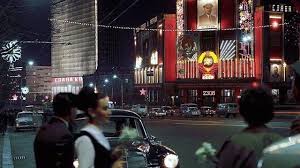
Introduction
Moscow, the capital city of Russia, holds immense cultural, political, and historical significance. As one of the largest cities in Europe, it serves as a central hub for not only the country but also the Eastern European region. With its rich tapestry of history dating back to the 12th century, understanding Moscow is key to grasping Russia’s identity and influence in the world today.
Moscow: A Historical Overview
Moscow has a storied history marked by periods of growth, conflict, and transformation. Initially established as a small trading post, it became the capital of the Grand Duchy of Moscow in the late 15th century. The city played a central role during pivotal events such as the Mongol invasions and later the Napoleonic Wars, shaping its identity and resilience.
In the 20th century, Moscow emerged as a focal point during the Soviet era, characterized by significant developments such as the construction of the famous Moscow Metro system and the iconic architecture of the Stalinist era, which still stands today. The fall of the Soviet Union in 1991 marked a new chapter, transitioning Moscow into a global city that blends its rich history with modern advancements.
Present-Day Moscow
Today, Moscow is a vibrant metropolis, home to an estimated 12.5 million residents, making it one of the most populous cities in Europe. The city is a blend of historical landmarks like Red Square and the Kremlin, alongside modern infrastructure including skyscrapers in the Moscow City business district. The economy is also thriving, driven by sectors such as finance, technology, and tourism.
The recent geopolitical situation has further highlighted Moscow’s role on the world stage. It remains a pivotal player in international relations, with its actions and policies affecting not only regional stability but also global dynamics. Events such as the invasion of Ukraine and sanctions imposed by Western nations have brought Moscow into the international spotlight, prompting discussions about diplomacy, security, and energy policies.
Conclusion
Moscow continues to evolve while retaining its historical significance as Russia’s heart. The ongoing geopolitical tensions will likely shape its future, but the city remains an enduring symbol of resilience and cultural richness. For those interested in global affairs, understanding Moscow is essential, as it plays a critical role in various global narratives.