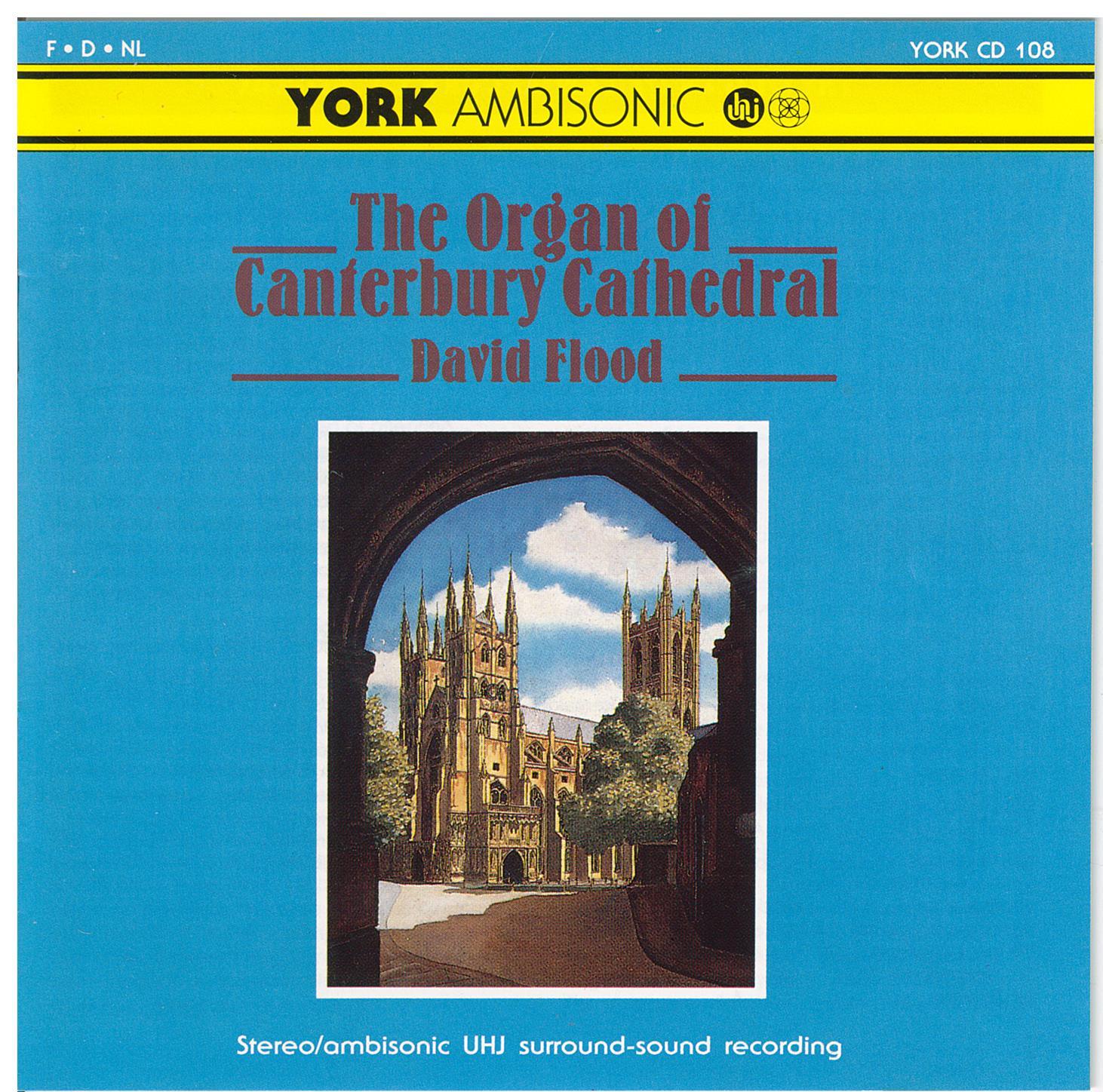
Introduction
Canterbury Cathedral, one of the most iconic structures in the United Kingdom, serves as a significant religious and cultural landmark. As the mother church of the Anglican Communion, it has been a place of worship for nearly 1,500 years and is a UNESCO World Heritage site, attracting millions of visitors annually. Its rich history and architectural beauty make it an essential point of interest not only for tourists but also for scholars and historians.
Historical Context
The cathedral’s origins date back to 597 AD when St. Augustine was sent to England to convert the Anglo-Saxons to Christianity. The initial structure was built shortly after his arrival, and through centuries of reconstruction and expansion, it has become a masterpiece of Gothic architecture. The most significant rebuilding occurred after the 1170 murder of Archbishop Thomas Becket, an event that marked a turning point for both the cathedral and the church. Becket’s shrine became a major pilgrimage site, elevating Canterbury’s status as a centre of religious devotion.
Architectural Highlights
Canterbury Cathedral showcases stunning architecture, transitioning from Romanesque to Gothic styles. The cathedral features an impressive nave, intricately designed stained glass windows, and the famous Bell Harry Tower, which rises 235 feet. The East End, containing the shrine of Thomas Becket, is a highlight for its historical and architectural significance. Visitors are often struck by the impressive vaulting and luminescent light filtering through the stained glass, illustrating scenes from biblical tales.
Current Events and Preservation Efforts
As of 2023, Canterbury Cathedral is undergoing multiple preservation efforts aimed at sustaining its structure while also enhancing its accessibility. Recent investments have been made to restore old stonework and update the visitor facilities, ensuring that it remains an educational and inspirational place for future generations. The cathedral continues to host religious ceremonies, including weddings and services, reflecting its ongoing role in the community.
Conclusion
Canterbury Cathedral not only serves as a spiritual hub but also plays a vital role in England’s cultural heritage. The continued efforts in its preservation highlight the importance of maintaining historical sites that tell the stories of our past. As tourism grows, the challenge remains to balance the influx of visitors with the necessity of conserving the architecture and ambiance that make Canterbury Cathedral a unique treasure. Its historical and cultural significance renders it an irreplaceable asset for both locals and international visitors alike.