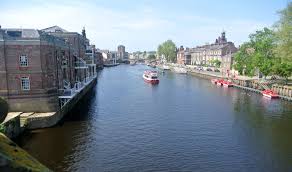
Introduction to River Ouse
The River Ouse is one of the most significant waterways in England, flowing through key regions including Yorkshire and East Sussex. Its historical and ecological importance cannot be overstated, as it serves as a lifeline for local communities, wildlife, and agriculture. With increasing emphasis on environmental sustainability and the management of water resources, understanding the role of the River Ouse is essential.
Geographical and Ecological Significance
Stretching approximately 143 miles, the River Ouse originates in the Yorkshire Dales, making its way through towns such as York, Selby, and eventually joining the North Sea. The river’s catchment area supports a variety of ecosystems, hosting numerous species of fish, birds, and plant life. It plays a vital role in maintaining the biodiversity of the regions it traverses.
Historical Context
Historically, the River Ouse has influenced settlement patterns and trade. During medieval times, it was a key transport route for goods and people, particularly in York, which became a major trading hub. Archaeological findings along its banks highlight its long-standing significance as a resource for the surrounding communities.
Modern Impact and Challenges
In recent years, the River Ouse has faced various challenges, including pollution, flooding, and habitat degradation. Efforts are being made to address these issues through conservation initiatives and community involvement. Local councils and environmental groups are working together to monitor water quality and promote recreational activities, such as boating and fishing, while ensuring the river’s health.
Conclusion: Looking to the Future
The future of the River Ouse hinges on the balance between human activity and ecological preservation. Continued investment in sustainable practices and public awareness campaigns will be crucial in safeguarding this vital waterway. The River Ouse not only provides essential resources but also enriches the cultural and natural heritage of the areas it flows through. As communities look forward to enjoying the river’s recreational opportunities, they must also recognise their role in protecting it for generations to come.