Introduction
North Macedonia, located in the Balkan Peninsula, has become a focal point of interest for both policymakers and international observers. As a nation with a rich history and strategic geographical position, it plays a significant role in Southeast European dynamics. Following its independence from Yugoslavia in 1991, North Macedonia has made significant strides in political stability, economic development, and international relations, especially following its NATO accession in 2020.
Cultural Heritage and Diversity
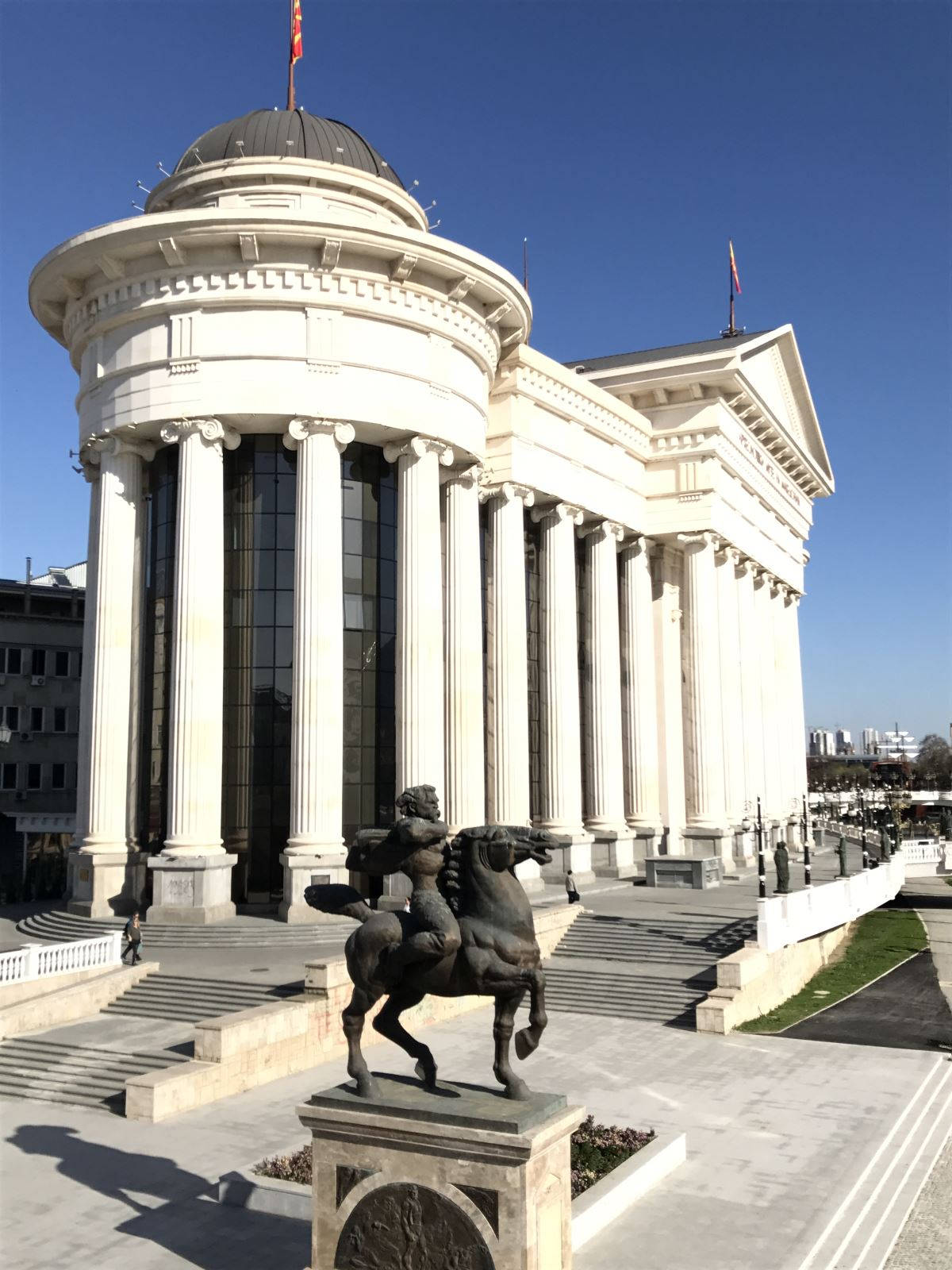
The cultural landscape of North Macedonia is a tapestry of influences. With its diverse ethnic composition, including Macedonians, Albanians, Turks, and Romani populations, the country boasts a vibrant mix of traditions, languages, and customs. Skopje, the capital, is home to numerous archaeological sites and cultural landmarks, such as the historic city fortress and the iconic Stone Bridge. As the nation approaches its 30th anniversary of independence, preserving this multicultural heritage remains vital to fostering national unity.
Recent Developments and Economic Growth
In recent months, North Macedonia has featured prominently in discussions surrounding European integration. The European Union’s ongoing negotiations with the country, especially regarding the acceptance of its application for membership, underscore its commitment to reform and development. Economically, North Macedonia has seen a moderate recovery post-COVID-19, with forecasted GDP growth reaching around 3.4% for 2023, as per the World Bank. Investments in technology, agriculture, and tourism are increasingly being prioritised to stimulate an economy that has historically relied on manufacturing.
Challenges Ahead
Despite these advancements, North Macedonia faces several challenges. Political tensions, particularly between the ethnic Macedonian and Albanian communities, continue to pose risks for social cohesion. The recent elections highlighted these divisions but also illuminated a path forward with a renewed focus on dialogue and collaboration among different ethnic groups. Furthermore, the lingering presence of disputes with neighbouring Bulgaria and Greece remains a significant hurdle in its aspirations for EU and NATO integration.
Conclusion
North Macedonia stands at a pivotal juncture in its history. As it seeks to integrate further into European structures and solidify its economic prospects, the nation’s strategic opportunities coalesce with significant challenges. For readers and stakeholders, understanding North Macedonia’s complex landscape offers insights into the broader dynamics of the Balkans and the European Union’s eastern expansion. The ability of this small, yet culturally rich nation to navigate its path forward will be crucial, not only for its own citizens but for regional stability and cooperation in Southeast Europe.