Introduction
Dickie Bird, one of cricket’s most iconic umpires, is known for his charismatic presence on the field and his significant contribution to the sport. Born on 19th June 1933 in Barnsley, South Yorkshire, Bird’s journey from a humble background to becoming one of the most recognised figures in cricket is a story that resonates with many. His dedication and integrity have made him a symbol of fairness and sportsmanship, establishing his relevance in the cricketing community even years after his retirement.
Early Life and Career
Bird grew up in a working-class family and took an early interest in sports. He began his professional career as a football referee before transitioning to cricket officiating. His first appearance as an umpire in first-class cricket was in 1973. His unique style, which included his famous ‘all bowler’ gesture to signal the end of the over, quickly earned him a reputation. He rose through the ranks immensely and was appointed as an international umpire in 1975.
Notable Achievements
Bird’s career as an umpire spanned over 20 years, during which he officiated in 66 Test matches and 69 One Day Internationals. He was part of the historic 1975 Cricket World Cup, which was pivotal in bringing the sport to a global audience. His ability to maintain control and ensure fair play, even in high-pressure situations, was widely respected. Bird’s presence added a layer of credibility to matches, and he was frequently celebrated for his approachable demeanor.
Influence Beyond the Field
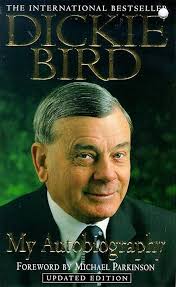
Beyond his officiating legacy, Dickie Bird has become a beloved figure within the sport due to his engaging personality and commitment to cricket development. Retiring from international umpiring in 1996, he has since been involved in charitable work and mentoring young umpires. His autobiography, ‘Dickie Bird: The Autobiography’, offers insightful anecdotes and reflects on his extensive career.
Conclusion
The legacy of Dickie Bird extends far beyond the cricket pitch. He remains a cherished figure among fans and players alike, embodying the spirit of cricket. As the sport continues to evolve, Bird’s influence can still be seen in the standards of officiating and the values that underpin the game. The respect he earned and the memories he created ensure that Dickie Bird’s name will remain synonymous with cricket for generations to come.