Introduction
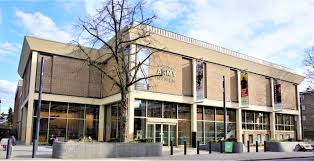
The National Army Museum, located in Chelsea, London, plays a vital role in preserving and presenting the rich military history of the British Army. Opened in 1960, the museum has undergone significant renovations in recent years, enhancing its exhibition spaces and accessibility. With a collection numbering over a million items, including uniforms, medals, and personal stories from soldiers, it serves as an educational resource and a poignant reminder of the sacrifices made by military personnel throughout history.
Recent Developments
In 2021, the National Army Museum completed a major refurbishment, which included the introduction of new interactive exhibits and immersive experiences designed to engage visitors of all ages. The updated galleries now incorporate the latest technology, including virtual reality experiences that allow visitors to step into pivotal moments in military history. This commitment to innovation has been well-received, with visitor numbers increasing significantly following the renovations.
Significance of the Collection
The heart of the National Army Museum lies in its vast collection, which encompasses everything from the historical to the contemporary. Highlights include the uniforms worn by notable figures such as Field Marshal Monty and the Duke of Wellington, alongside personal effects from soldiers who served in conflicts ranging from the Napoleonic Wars to the present day. Each item tells a story, providing context and personal narratives that bring history to life.
Educational Outreach
The Museum also plays an essential role in education, offering a wide range of programmes aimed at schools, universities, and community groups. These initiatives foster an understanding of military history and its impact on society, effectively bridging the gap between the past and present. Workshops, guided tours, and lectures are tailored to different audiences, making military history accessible and engaging for all.
Future Outlook
As society continues to grapple with the complexities of war and its consequences, the National Army Museum stands as a crucial institution for reflection and understanding. Future exhibitions will focus on contemporary issues facing military personnel and veterans, aiming to provide a platform for dialogue about their experiences. By preserving the stories and artifacts of service members, the Museum ensures that the lessons of history are not forgotten.
Conclusion
The National Army Museum is more than just a repository of artifacts; it is a keeper of stories and memories that shape our understanding of military history. As it continues to evolve and adapt to the needs of its visitors, the Museum remains a significant cultural resource that informs, educates, and commemorates the sacrifices of those who have served. For anyone looking to grasp the narrative of the British Army and its impact on the nation, the National Army Museum is an essential destination.