Introduction
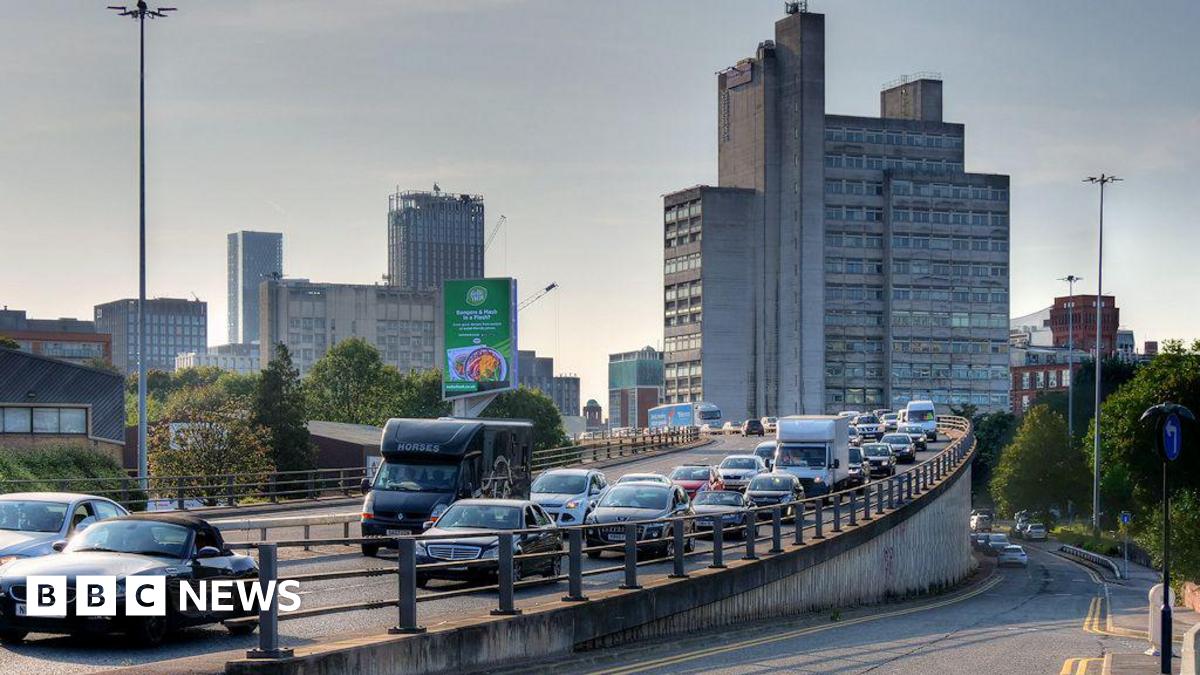
The Mancunian Way is more than just a road; it is a crucial artery for the bustling city of Manchester. Connecting vital areas and facilitating the flow of traffic, this elevated dual carriageway is a key feature of the city’s infrastructure. Understanding its importance not only sheds light on Manchester’s urban landscape but also highlights ongoing discussions about traffic management, urban development, and environmental concerns.
History and Development
Constructed in the 1960s, the Mancunian Way was designed during a time of rapid urbanisation in Manchester. Its creation aimed to alleviate congestion in the city centre and provide a bypass for through traffic. Spanning approximately 3.5 miles, the road connects various neighbourhoods, including Hulme, Whitworth Park, and the route to the motorways beyond the city.
Traffic and Accessibility
In recent years, the Mancunian Way has faced significant scrutiny regarding traffic congestion, especially during peak hours. Reports indicate that heavy use of this road has often led to long delays and increased commuter stress. Consequently, local authorities have been exploring solutions aimed at optimising traffic flow. Options under consideration include the introduction of smart traffic management systems and the promotion of alternative transport methods, such as cycling and public transport.
Environmental Impact
The environmental implications of the Mancunian Way have become increasingly significant. The road contributes to air pollution levels within the city, as emissions from idling vehicles accumulate in urban areas. Local initiatives aim to mitigate these effects by enhancing green spaces, investing in electric vehicle infrastructure, and encouraging carpooling. Moreover, the emphasis on making Manchester a greener city has brought renewed attention to retrofitting existing roads, including the possibility of adding vegetation along the Mancunian Way to help absorb pollutants.
Future Considerations
As Manchester continues to evolve, so does the conversation surrounding the Mancunian Way. Plans for urban revitalisation in surrounding areas may lead to modifications in how the road functions within the broader transport network. Studies are being undertaken to assess the road’s future viability, with the goal of striking a balance between maintaining efficient transport routes while fostering a sustainable urban environment.
Conclusion
The Mancunian Way plays an essential role in Manchester’s functionality, connecting various regions and supporting local economies. As the city looks towards a sustainable future, ongoing assessments of the road’s impact on traffic and the environment will be paramount. For residents and commuters alike, improvements to the Mancunian Way are vital for enhancing their daily journeys, making the discussion surrounding this road not only relevant but also significant for the future of urban transport in Manchester.