Introduction
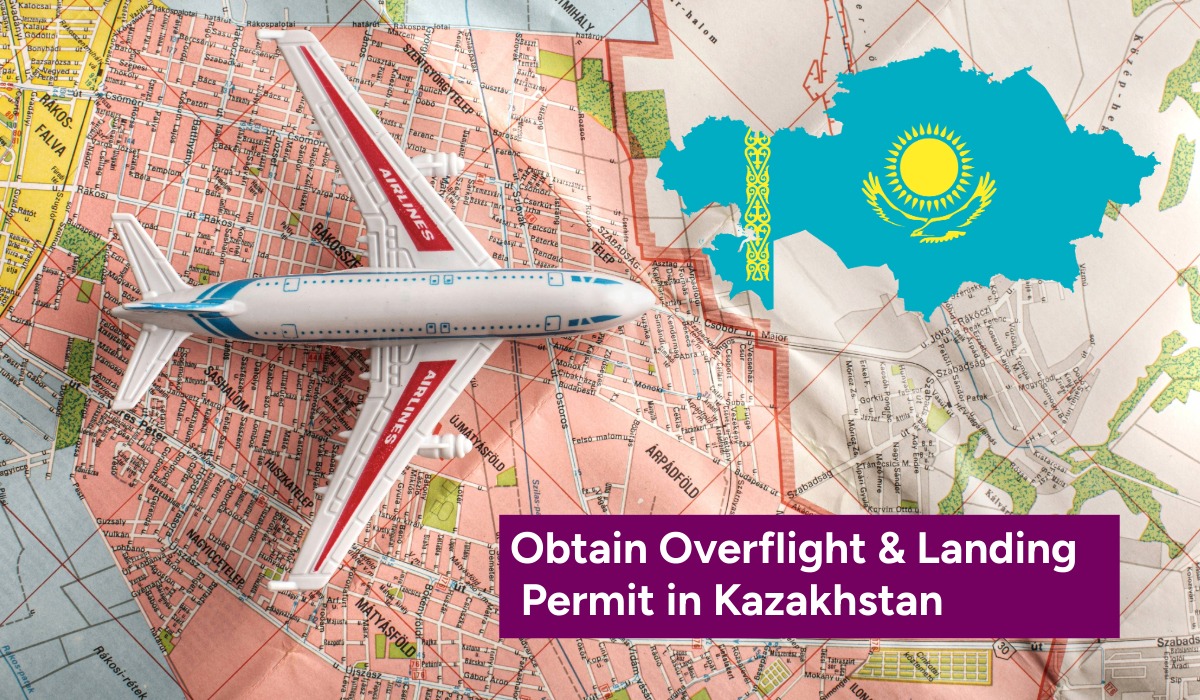
Kazakhstan, the world’s largest landlocked country, plays a crucial role in Central Asia’s economy and geopolitics. With its vast natural resources, diverse culture, and strategic location, Kazakhstan has increasingly captured global attention. Understanding its developments is essential for those interested in world affairs and economic trends.
Geographical and Economic Overview
Spanning over 2.7 million square kilometres, Kazakhstan is bordered by Russia to the north, China to the east, and several Central Asian countries to the south. This strategic location has made the country a pivotal point for trade routes connecting Europe and Asia. Economically, Kazakhstan is rich in resources such as oil, gas, uranium, and minerals. As of 2023, it ranks as one of the world’s leading producers of uranium, significantly impacting global energy markets.
Recent Developments
In recent months, Kazakhstan has been making headlines for its stable economic revival post-pandemic, with projected GDP growth of 3.9% for 2023, according to the World Bank. The Kazakh government has been working to diversify its economy, reducing its dependency on oil revenues. Investments in agriculture, technology, and infrastructure are being prioritised, aiming to attract foreign investors and stimulate local businesses.
Additionally, following ongoing tensions in neighbouring regions, Kazakhstan has positioned itself as a mediator. The country has hosted peace talks and has been actively involved in regional security discussions while maintaining strong relationships with global powers, including Russia, China, and Western nations.
Cultural Significance
The cultural landscape of Kazakhstan is rich and diverse, with influences from Turkic, Persian, and Russian traditions. In 2022, the country celebrated its 30th anniversary of independence from the Soviet Union, marking significant cultural events and showcasing its heritage. Major cities like Almaty and Nur-Sultan (formerly Astana) have become cultural hubs, promoting Kazakh history, arts, and traditions.
Conclusion
As Kazakhstan continues to evolve, it remains a vital player in both regional and global contexts. With its focus on economic diversification and commitment to regional stability, the country’s future appears promising. For those watching the dynamics of Central Asia, Kazakhstan stands as a key country with the potential to influence both regional and global affairs significantly.