Introduction
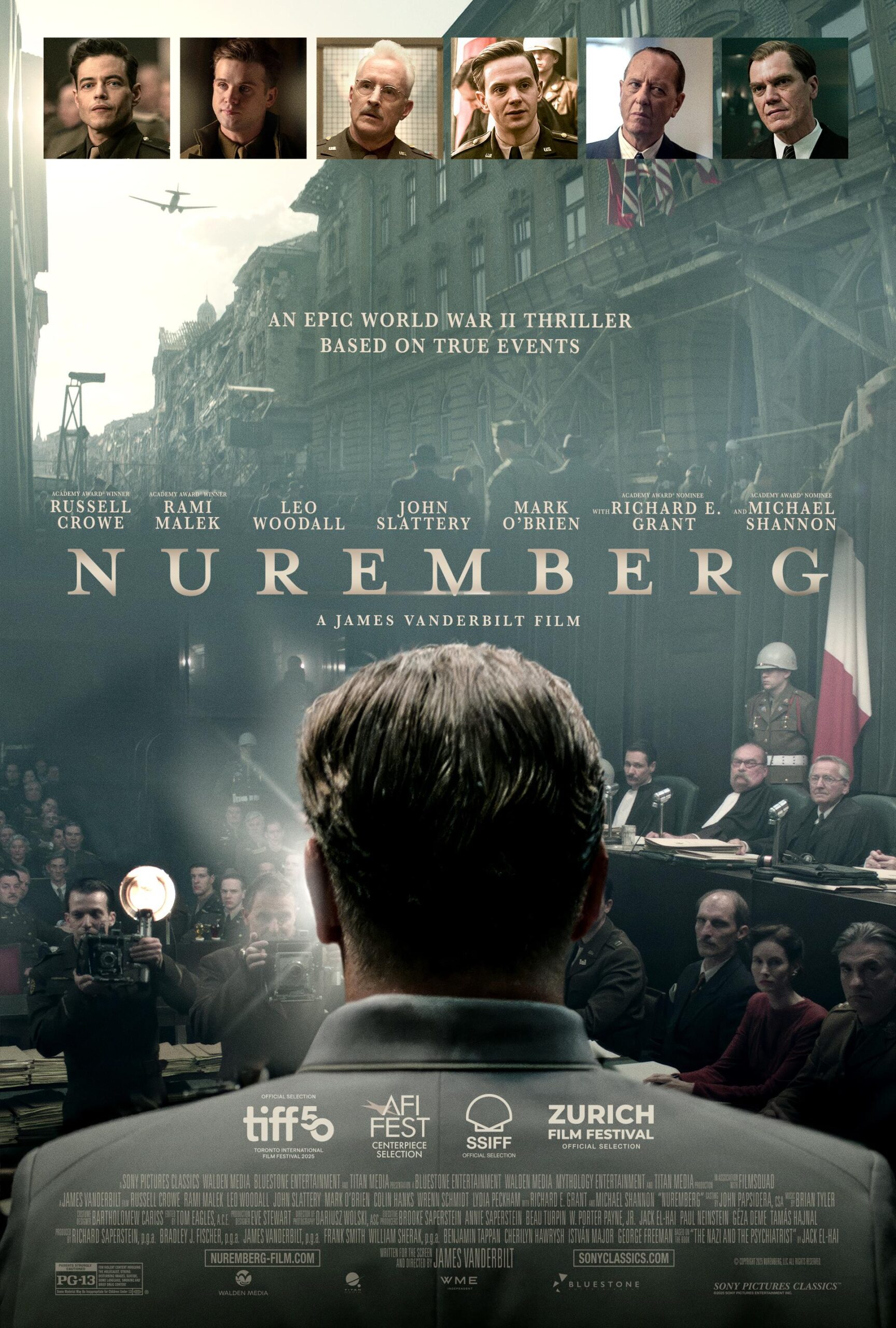
The Nuremberg movie, which recounts the historic trials of Nazi war criminals post-World War II, holds significant relevance in today’s society as it explores themes of justice, accountability, and human rights. Released in 2000, this historical drama not only provides a glimpse into a pivotal moment in history but also serves as a reminder of the importance of holding individuals accountable for crimes against humanity.
Overview of the Nuremberg Trials
The Nuremberg Trials, held from 1945 to 1946, were a series of military tribunals in Nuremberg, Germany, aimed at prosecuting prominent leaders of Nazi Germany. The trials marked a significant watershed moment in international law, establishing precedents for future war crime prosecutions. The film carefully portrays these events, filled with dramatic testimonies and moral dilemmas faced by the tribunal members.
The Movie’s Narrative
The Nuremberg movie, directed by Yves Simoneau, features powerful performances from an ensemble cast, including Alec Baldwin and Maximilian Schell. The narrative intricately weaves the courtroom scenes with the personal histories of both the defendants and the prosecutors, emphasizing the moral conflicts faced during the proceedings. As a dramatization, it balances factual representation with the emotional weight of the atrocities committed during the Holocaust.
Recent Relevance
The renewed interest in the Nuremberg movie comes amid rising global discussions on justice and war crimes. As modern conflicts arise, the principles established during the Nuremberg Trials resonate profoundly in ongoing debates regarding accountability for war crimes. Human rights advocates often reference these trials as foundational to the evolution of international law, underscoring the need to prosecute those responsible for widespread atrocities.
Impact and Conclusion
The Nuremberg movie serves not only as a retrospective look at a crucial chapter in history but also as a lens through which contemporary audiences can understand the importance of justice in the face of human rights violations. In a world that continues to grapple with war crimes and humanitarian crises, the film acts as a stark reminder that accountability must not only exist in theory but be enforced in practice. Observers and scholars alike suggest that reflecting on the lessons from the Nuremberg Trials can offer crucial insights into combating current injustices and affirming the rights of victims of atrocities worldwide.