Introduction
The film industry continues to explore the remarkable lives of influential figures, and the Emily movie is no exception. This cinematic portrayal delves into the life of Emily Brontë, the celebrated author of “Wuthering Heights.” Released in late 2022, the film not only celebrates her literary achievements but also examines the personal struggles and societal challenges she faced. With Brontë’s works remaining timeless and relevant, the film adds a vivid visual layer to understanding her legacy.
Overview of the Film
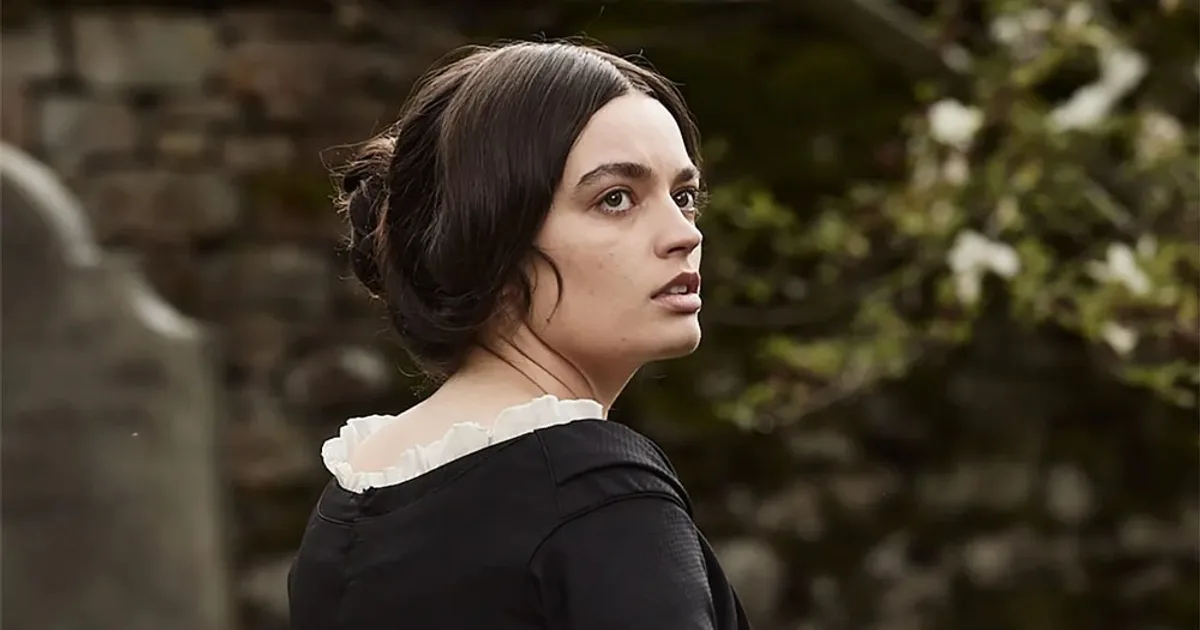
The Emily movie, directed by Frances O’Connor in her directorial debut, presents a dramatized version of Emily Brontë’s life, capturing her time in the Yorkshire moors, which served both as her home and inspiration for her writing. The film stars Emma Mackey in the titular role, delivering a powerful performance that showcases Brontë’s complexities as a daughter, sister, and a visionary writer constrained by the norms of the 19th century.
Critical Reception
Upon its release, the Emily movie garnered positive reviews for its cinematography, storytelling, and character portrayals. Critics praised the film for its ability to humanise Brontë, exploring her relationships with her siblings, particularly with her sister Charlotte Brontë, and the impact of her tumultuous upbringing. Many highlighted the film’s stunning visuals that effectively encapsulate the wild beauty of the moors, reflecting the powerful emotions portrayed in her writing.
Cultural Significance
Emily Brontë’s legacy, particularly through “Wuthering Heights,” continues to resonate with audiences today. The film sparks conversations about gender roles, mental health, and artistic expression. It offers viewers an opportunity to reflect on the challenges faced by women in literary history and the enduring impact they have on contemporary literature. The film not only serves as entertainment but also as an educational tool, encouraging audiences to read her works and appreciate her contributions to literature.
Conclusion
The Emily movie stands out as a significant contribution to the ongoing trend of biopics in cinema. It captures the essence of Emily Brontë’s life and the cultural context in which she wrote, revealing the struggles and triumphs that shaped her illustrious career. For audiences, this film is not only a portrayal of a literary icon but also an exploration of resilience and creativity in the face of societal constraints. As we dissect Brontë’s life through this modern lens, it reinforces the importance of understanding historical figures in their full complexity, ensuring their legacies continue to inspire future generations.