Introduction
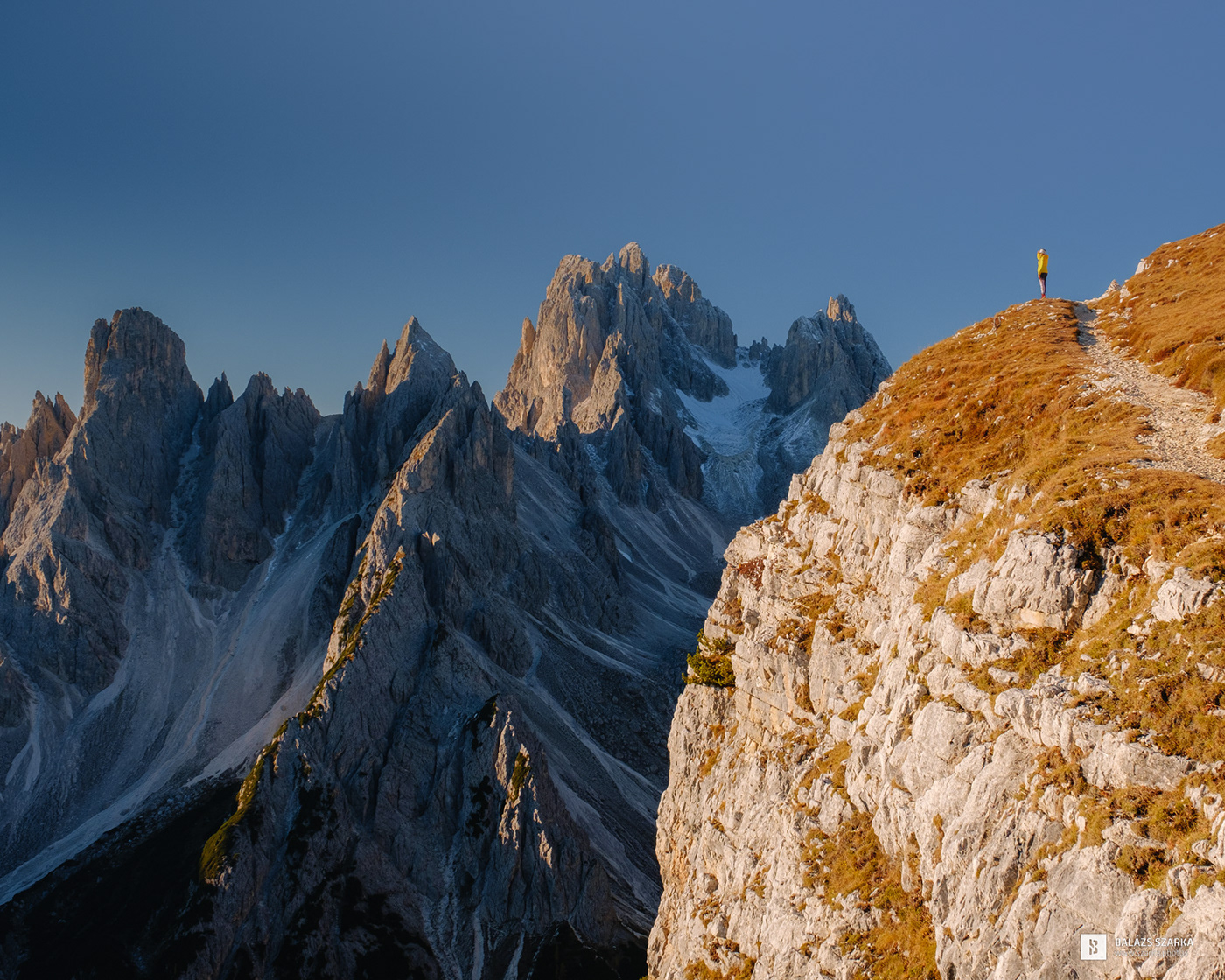
The Dolomites, a striking mountain range in northern Italy, are a UNESCO World Heritage site known for their dramatic peaks and breathtaking landscapes. This natural wonder, with its unique geological composition and rich biodiversity, has become a top destination for both adventurers and nature enthusiasts. As global awareness of environmental conservation increases, the importance of preserving the Dolomites remains paramount, making it a topic of significant relevance today.
Geological Significance
The Dolomites, comprising dolomitic limestone, were formed around 250 million years ago and have a distinctive shape that sets them apart from other mountain ranges. The area is home to some of the highest peaks in the Alps, such as the famous Marmolada, often referred to as the ‘Queen of the Dolomites.’ This geology not only draws geologists but also climbers and hikers attracted by the challenging terrain.
Tourism and Outdoor Activities
Tourism plays a vital role in the local economy, particularly in the warmer months when hiking and climbing are at their peak. Numerous trails cater to all levels of hikers, while advanced climbers can tackle the Via Ferrata routes. Winter brings a new dimension as the Dolomites transform into a skier’s paradise, boasting resorts like Cortina d’Ampezzo and Val Gardena that attract snow sports enthusiasts from around the world.
Environmental Challenges
Despite their allure, the Dolomites face various environmental challenges, including climate change and increased tourist activity. The delicate ecosystem is threatened by deforestation, soil erosion, and pollution. Local authorities and conservation groups have initiated measures to protect this unique environment, such as promoting sustainable tourism practices and establishing nature reserves to safeguard biodiversity.
Conclusion
The Dolomites not only offer stunning vistas and recreational opportunities but also represent an important ecosystem that requires careful stewardship. As more visitors flock to this magnificent range, the responsibility to preserve its natural beauty becomes increasingly critical. Future projections indicate a growing interest in ecotourism and sustainable practices, which may help protect the Dolomites for generations to come. For readers, understanding the importance of conservation in the Dolomites can enhance the experience of visiting this majestic landscape and foster a deeper appreciation for nature.