Introduction
The term ‘barbarian’ has evolved significantly from its ancient origins to its modern-day usage. Historically used to describe non-Greek or non-Roman peoples, the label often carried connotations of savagery and uncivilised behaviour. In contemporary discourse, however, the meaning of ‘barbarian’ stretches beyond its classical roots, offering insights into societal views on culture, civility, and otherness. Understanding how this term is perceived today is critical to engaging with issues of cultural identity and societal values.
Historical Perspective
Originating from the Greek word ‘barbaros’, which described those who spoke unintelligibly to Greek ears, the concept of the barbarian was initially tied to linguistic and cultural differences. The Romans adopted the term, commonly labelling the Germanic tribes and Celts as barbarians during their expansionist campaigns. These associations created a binary of civilised versus barbaric, shaping Western perceptions throughout history.
Modern Usage and Its Implications
In the present day, the word ‘barbarian’ has found new life in various contexts, from literature to popular culture. It is often used to describe individuals or groups perceived as brutish or lacking in refinement. However, this application can lead to problematic stereotypes. Individuals labelled ‘barbarians’ may be marginalised or misunderstood, reinforcing negative narratives about cultural differences.
Cultural Depictions
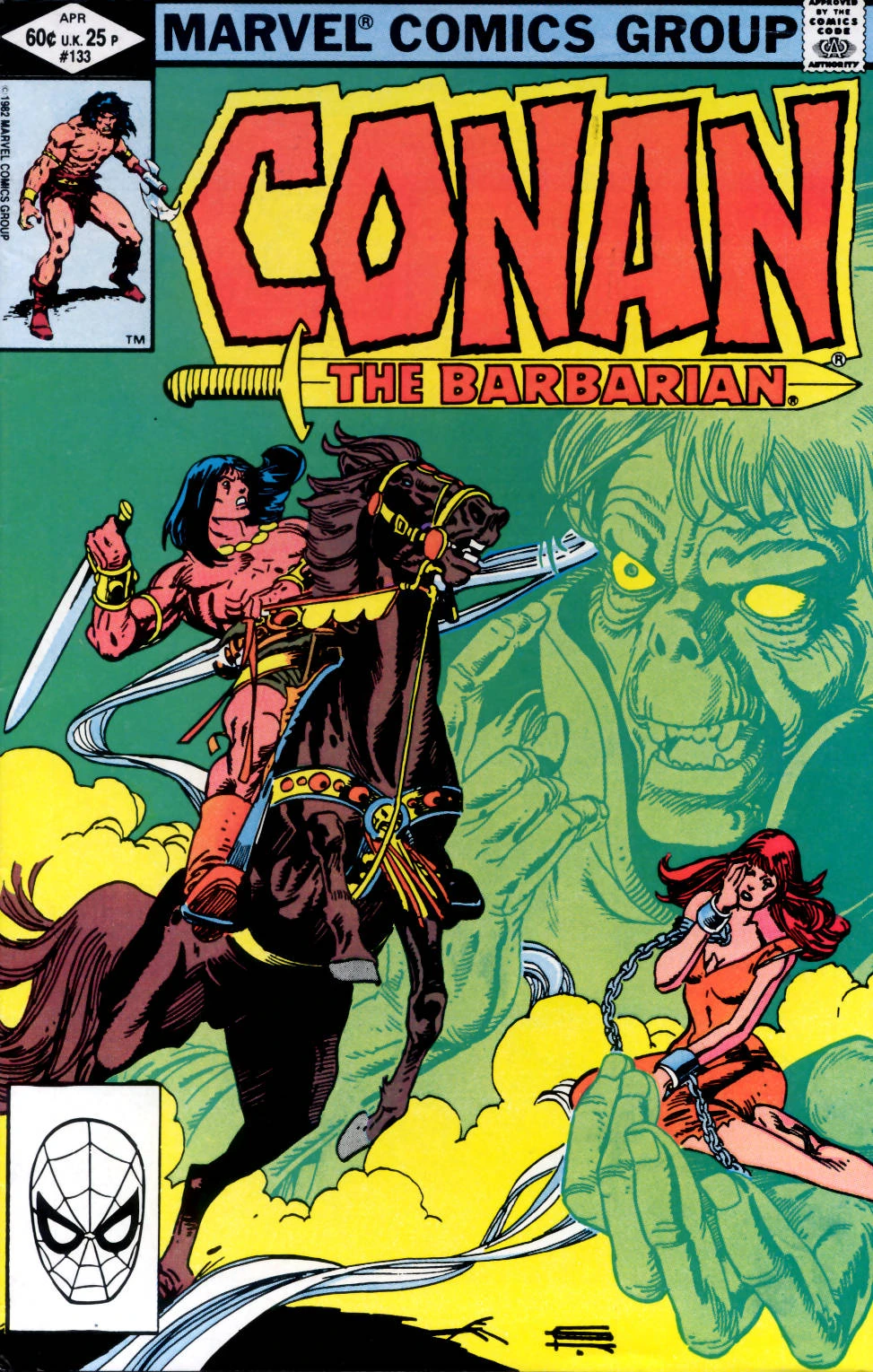
In contemporary media, ‘barbarian’ often surfaces in fantasy literature and film, portraying fierce warriors in a world governed by primal instincts rather than reason and diplomacy. This portrayal can simplify complex social issues and perpetuate misguided ideas about real cultures deemed ‘other’.
Critical Analysis and Debates
The term’s use has sparked debates about cultural imperialism, especially among scholars who advocate for a more nuanced understanding of different cultures. Sociologists and anthropologists suggest that labelling groups as ‘barbarian’ can impose a form of cultural hegemony, where Western norms are viewed as the standard and other cultures as inferior.
Conclusion
Understanding the term ‘barbarian’ sheds light on broader societal perceptions and invites reflection on cultural biases. As global interactions increase, the relevance of this concept continues to shift, moving towards a more inclusive understanding of what defines civilisation. Addressing the implications of this term is crucial for fostering respect and dialogue among diverse cultures. Ultimately, challenging the archaic notions associated with ‘barbarian’ can pave the way for more equitable perspectives in our interconnected world.