Introduction
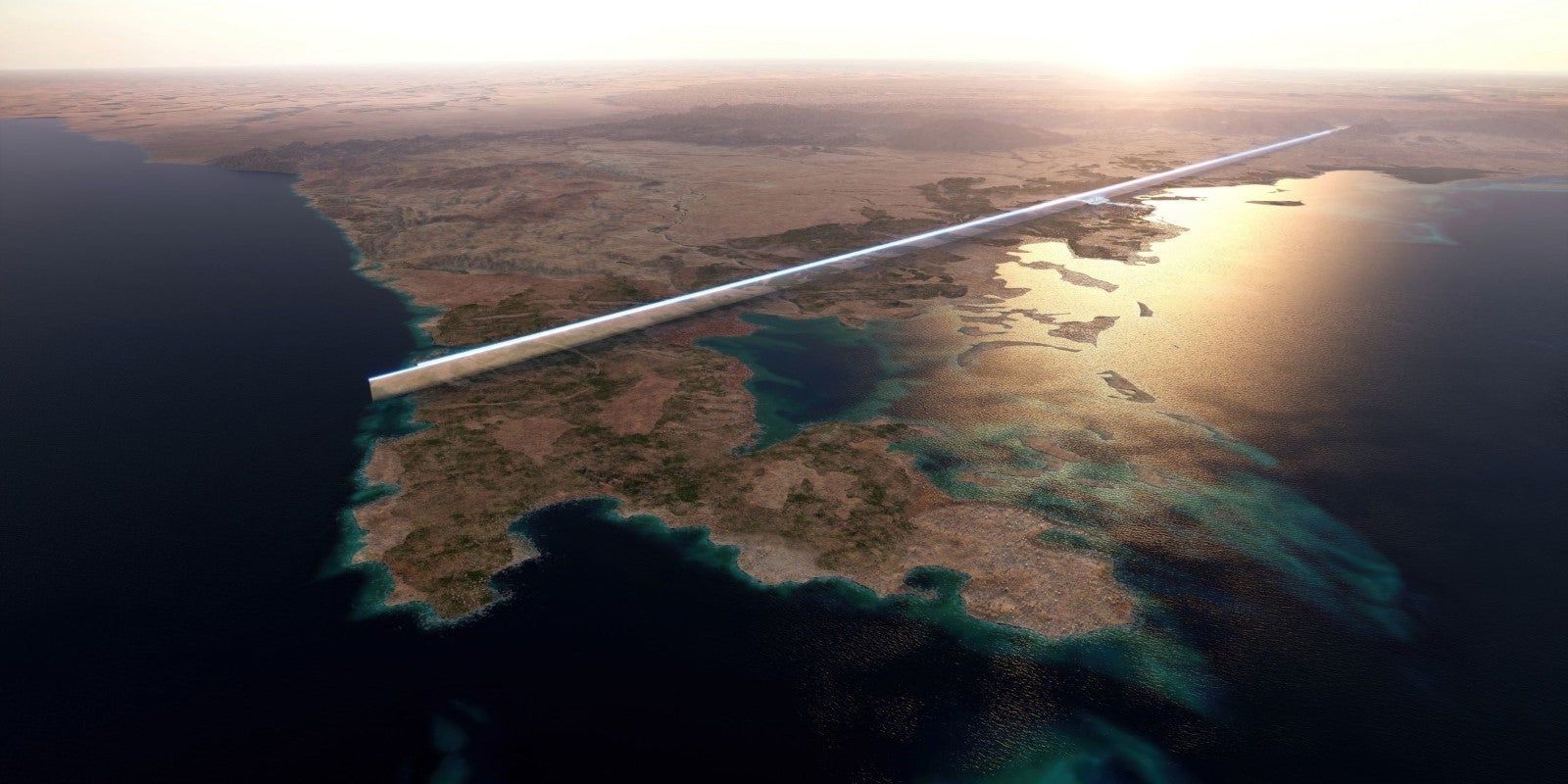
NEOM, a groundbreaking city project born from Saudi Arabia’s Vision 2030, is set to redefine urban living. Encompassing an area of 26,500 square kilometres in the northwestern part of the country, NEOM aims to become a global hub for innovation, sustainability, and quality of life. The project’s significance lies not only in its scale but also in its ambition to integrate cutting-edge technology and renewable energy sources.
The Vision and Structure of NEOM
Launched in 2018 by Crown Prince Mohammed bin Salman, NEOM represents a bold attempt to diversify the Saudi economy away from oil dependency. With a projected investment of $500 billion, NEOM is intended to attract international businesses and talent. The city will incorporate various districts, each with its distinct focus, from tech and energy to tourism and mobility.
Some of the highlighted features of NEOM include:
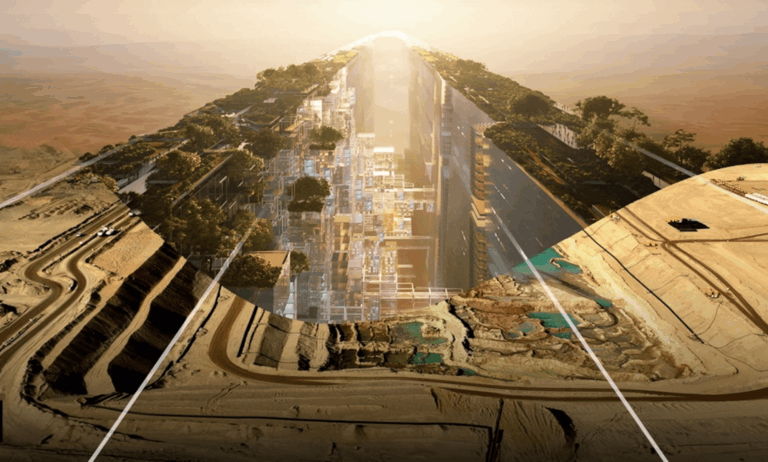
- THE LINE: An innovative linear city that will house nine million residents in a 170-kilometre-long structure, aiming to eliminate the need for cars.
- Oxagon: Expected to be the world’s largest floating structure, this district will specialise in advanced manufacturing and innovation.
- Terra: A nature-reserve area designed to conserve biodiversity and promote sustainable living.
Current Developments
As of late 2023, significant progress has been made in the construction of NEOM. Earthworks and foundational projects are underway, with the recruitment of international firms to assist in developing the necessary infrastructure. Facing challenges, including the region’s harsh climate and the need for advanced technological solutions, NEOM’s team remains determined to meet its ambitious timeline.
Moreover, NEOM has recently announced partnerships with leading global firms in technology, sustainability, and hospitality sectors, signalling a strong interest from potential investors and stakeholders. These collaborations aim to ensure that the city can integrate innovative solutions that align with its core values of sustainability and futuristic living.
Conclusion
NEOM presents an unprecedented opportunity for Saudi Arabia to transform its economy and redefine urban living. As the project evolves, it raises questions on the feasibility and sustainability of such large-scale developments. For investors, businesses, and future residents, NEOM’s success could usher in a new era of smart cities globally. Observing its development will be crucial to understanding the future trajectory of urban planning and economic diversification in the Middle East.