Introduction to NEOM
NEOM is an ambitious project that aims to redefine urban living in Saudi Arabia, representing a significant step towards sustainability and innovation. Launched in 2017 by Crown Prince Mohammed bin Salman, NEOM is positioned to become a global hub for technology, community, and eco-conscious living. With a projected cost of over $500 billion, this mega-city is not just a vision for the future but a response to the pressing challenges of climate change and urbanisation.
Key Features of NEOM
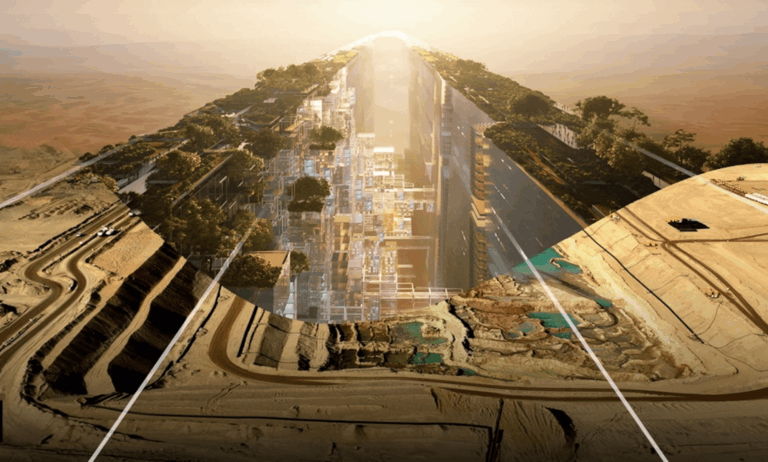
Spanning over 26,500 square kilometres in the northwestern region of Saudi Arabia, NEOM is designed to integrate state-of-the-art technologies and sustainable practices. The project encompasses various zones, including:
- The Line: A linear city that reimagines urban living by eliminating cars and urban sprawl, promoting walkability and public transport.
- OXAGON: A floating port and industrial complex designed to be the largest floating structure in the world, facilitating cutting-edge manufacturing.
- TROjena: A year-round outdoor skiing destination, promoting tourism alongside environmental responsibility.
NEOM is not just about infrastructure; it is also about fostering an innovative environment. The Saudi government is actively seeking investment from global tech companies, environmental organisations, and innovators to make NEOM a reality.
Environmental and Economic Impacts
NEOM is envisioned to be powered entirely by renewable energy sources, significantly reducing the carbon footprint associated with traditional urban development. The integration of green technologies aims to provide a template for future cities worldwide. Furthermore, NEOM seeks to diversify Saudi Arabia’s economy, which has traditionally relied on oil, by creating jobs in technology, tourism, and sustainable agriculture.
Challenges Ahead
Despite its bold vision, NEOM faces significant challenges, including realising technological ambitions, securing enough funding, and addressing human rights concerns related to the displacement of local communities. Skepticism exists regarding its feasibility and the timeline of its ambitious goals, with many questioning whether NEOM can deliver on its promise of a revolutionary urban space.
Conclusion: The Future of NEOM
As NEOM undergoes development, its significance extends beyond Saudi Arabia, influencing the future of mega-cities globally. The project serves as a potential model for how urban areas can address environmental challenges while promoting economic growth. Its success or failure could provide vital lessons about the balance of technology, sustainability, and community well-being in future urban development.