Introduction to Melatonin
As sleep difficulties become increasingly common in today’s fast-paced society, melatonin has emerged as a popular natural remedy. This hormone plays a crucial role in regulating the sleep-wake cycle, which is essential for overall health and well-being. Understanding melatonin and its effects can not only inform better sleep practices but also contribute to improved quality of life.
What is Melatonin?
Melatonin is a hormone produced by the pineal gland in the brain, predominantly in response to darkness. It helps signal to the body that it is time to sleep, thus regulating the circadian rhythm. Natural levels of melatonin fluctuate throughout the day and are typically higher at night, promoting restful sleep.
Current Research and Developments
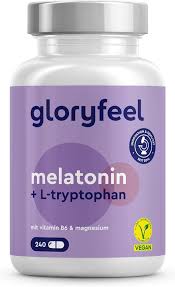
Recently, research highlights the growing interest in using melatonin supplements as a sleep aid, particularly among those with insomnia or disrupted sleep patterns. A 2022 review from the National Institutes of Health reported that melatonin can significantly reduce sleep onset latency (the time it takes to fall asleep) and increase overall sleep duration.
Additionally, studies have suggested that melatonin may have benefits beyond sleep, including potential roles in regulating mood, supporting eye health, and even exhibiting antioxidant properties. However, it’s essential for users to consult with healthcare professionals before starting any supplement, as interactions with medications and dietary considerations must be taken into account.
Potential Risks and Considerations
While generally considered safe for short-term use, melatonin supplements are not without side effects. These can include daytime drowsiness, dizziness, and headaches. It is also important to note that melatonin’s effectiveness may vary from person to person, and some individuals may find it ineffective for their sleep issues.
Conclusion: The Future of Melatonin Usage
The growing interest in melatonin supplements reflects a broader trend towards natural remedies for health issues, particularly sleep disorders. As research continues, more specific guidelines regarding melatonin dosage and long-term use will likely emerge, helping users to make informed decisions. With proper guidance and understanding, melatonin could serve as a critical tool for many looking to enhance their sleep quality and overall health.