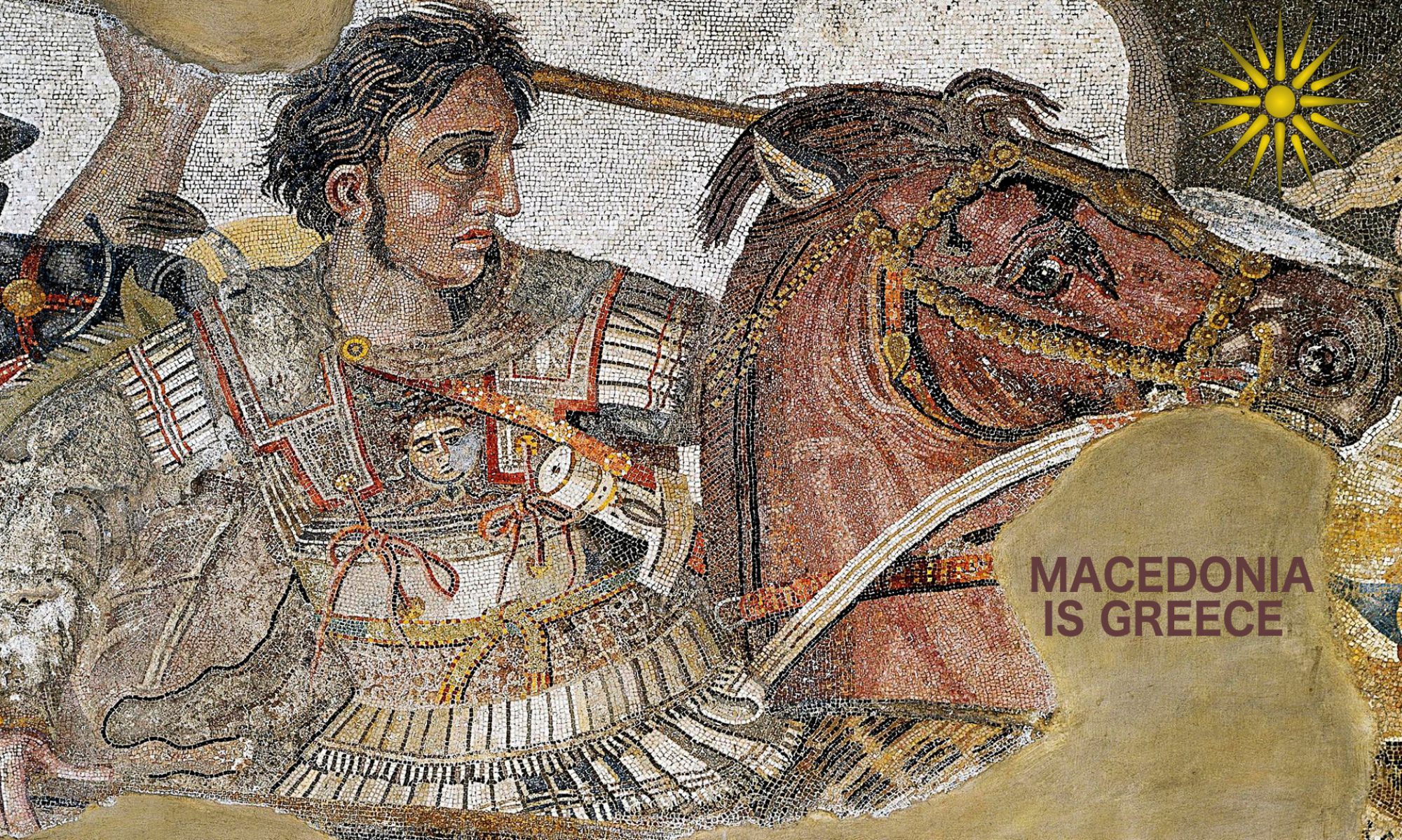
The Importance of Macedonia in the Balkans
Macedonia, officially known as North Macedonia since the 2019 name change, stands as a significant nation in the Balkan region. Its historical context, cultural diversity, and strategic location make it crucial for understanding the dynamics of Southeastern Europe. The country is home to a rich tapestry of cultures, languages, and traditions, illustrating a blend of Slavic, Albanian, and Byzantine influences.
Recent Developments in North Macedonia
In recent months, North Macedonia has been at the forefront of regional discussions, particularly regarding its European Union (EU) aspirations. The nation has been a candidate for EU membership since 2005, and in July 2023, it submitted its latest progress report to the European Commission. Political leaders, including Prime Minister Dimitar Kovačevski, have emphasized the importance of reforms in areas like the judiciary and anti-corruption to meet EU standards.
Moreover, bilateral relations with Greece and Bulgaria have seen significant developments. After resolving historical grievances with Greece concerning its name, the country continues to foster diplomatic engagement to strengthen trade and security partnerships. However, ongoing tensions with Bulgaria over language and historical interpretations pose challenges that need addressing.
Cultural Significance of Macedonia
The cultural heritage of Macedonia is remarkable. The country is dotted with historical landmarks, including the ancient city of Ohrid, which is recognised as a UNESCO World Heritage site. Ohrid is famed for its stunning lake, historical churches, and a wealth of artefacts that trace the history of Slavic and Byzantine civilisations. Festivals that celebrate music, theatre, and traditional crafts are testimony to Macedonia’s vibrant culture.
Furthermore, the preservation of multiculturalism—that encompasses a mix of ethnic groups such as Macedonians, Albanians, Turks, and Roma—adds depth to its societal structure. This diversity shapes both the cultural landscape and the political dialogue within the country.
Conclusion and Future Outlook
As North Macedonia continues to navigate the complexities of political reforms and international relations, it remains a pivotal player in the Balkans. The pursuit of EU membership and resolution of regional disputes signifies a broader trend toward stability and integration in the area. For citizens and observers alike, the upcoming years will be critical in determining the path forward for North Macedonia and its role in shaping the future of Southeastern Europe.