Introduction
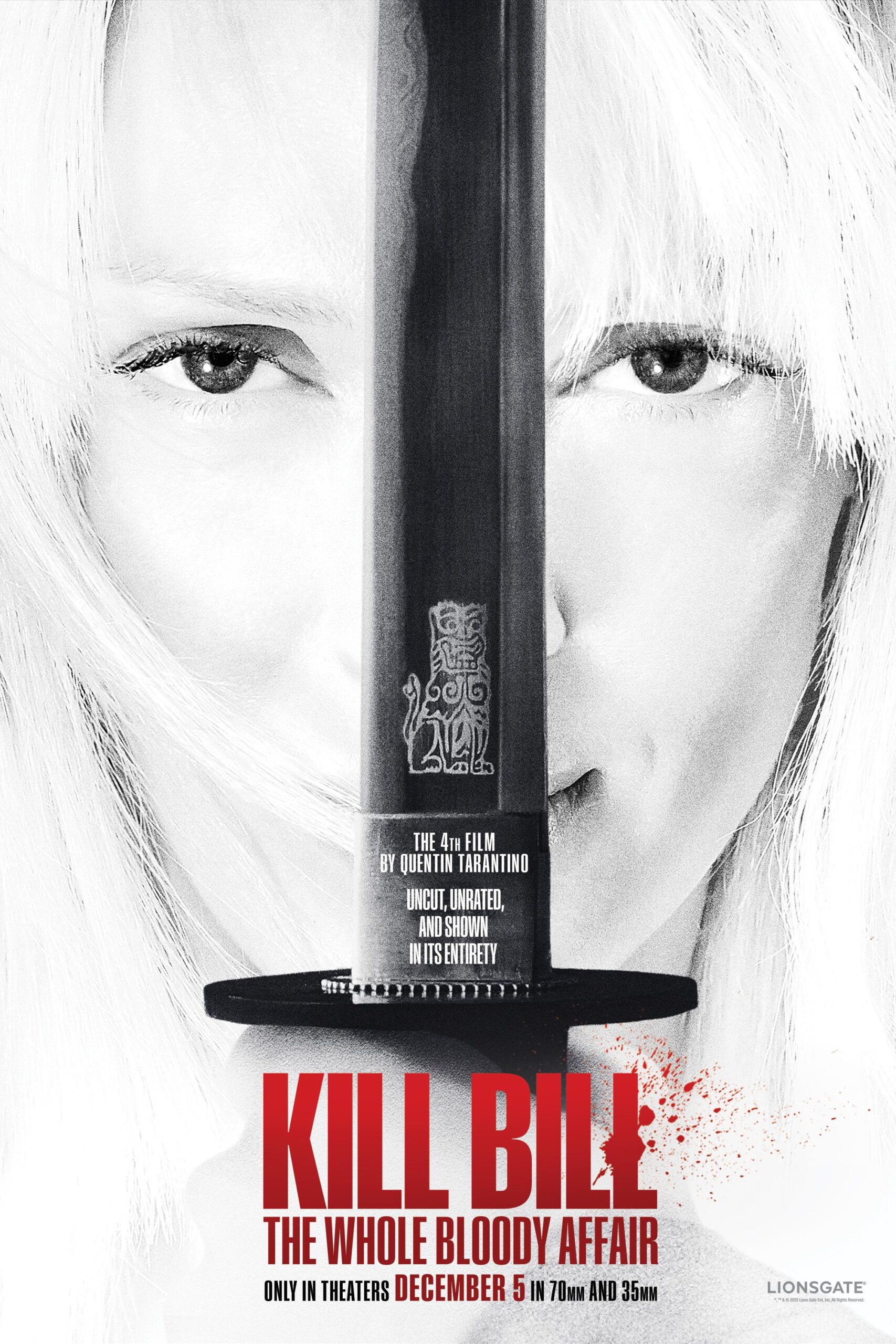
‘Kill Bill: The Whole Bloody Affair’ represents a unique culmination of director Quentin Tarantino’s iconic film, combining both volumes of the cult classic into a single narrative experience. Released in April 2011 as a limited screening, this version was aimed at providing a coherent and fluid narrative, enhancing the viewing experience for fans and newcomers alike. Understanding its significance can provide insights into both Tarantino’s artistry and the film’s cultural footprint.
A Glimpse into the Films
The original ‘Kill Bill’ saga is composed of two volumes released in 2003 and 2004. It follows the story of The Bride, portrayed by Uma Thurman, on her quest for vengeance against those who led to her near-fatal betrayal. The films are renowned for their stylised violence, homage to martial arts cinema, and a rich tapestry of influences ranging from Japanese film to spaghetti westerns.
The Whole Bloody Affair
‘Kill Bill: The Whole Bloody Affair’ combines these two volumes into one elongated movie, which has garnered attention not just for its narrative coherence but also for the colour grading and editing alterations made to enhance the visuals. This version features additional scenes and extended sequences, providing a deeper insight into characters and plot elements that were previously truncated. In particular, the anime sequence depicting O-Ren Ishii’s backstory is expanded, allowing for a richer character development.
Reception and Cultural Impact
Since its limited screening, fan response to ‘The Whole Bloody Affair’ has been largely positive, with many critics and audiences praising the unified vision of Tarantino. The film’s stylistic elements, from soundtracks to choreographed fight scenes, continue to resonate within pop culture, influencing countless filmmakers and creatives. It also highlights Tarantino’s ability to synthesize various influences, creating a unique cinematic language.
Conclusion
‘Kill Bill: The Whole Bloody Affair’ reminds us of the power of a singular vision in film storytelling. As viewers, we appreciate the intricate layering of narrative and style that Tarantino brings to the table. This version not only solidifies the impact of the original films but also serves as a testament to the director’s unique approach to filmmaking. With its blending of genres, strong character arcs, and innovative visuals, ‘The Whole Bloody Affair’ remains a significant work in modern cinema, warranting further discussion and exploration among film enthusiasts.