Introduction
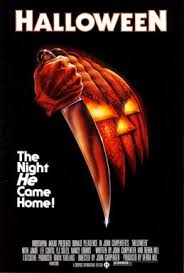
The year 1978 marked a significant moment in cinema history, particularly in the horror genre, with the release of Halloween, directed by John Carpenter. The film introduced audiences to Michael Myers, a masked killer who became an icon of terror. Halloween not only set the tone for slasher films that followed but also revolutionised film-making techniques, paving the way for a new era of horror that still resonates today.
Key Details and Its Impact on Film
Halloween premiered on October 25, 1978, and was produced on a modest budget of $300,000. It went on to gross over $70 million at the box office, making it one of the most successful independent films of its time. The plot revolves around the story of Laurie Strode, played by Jamie Lee Curtis, as she attempts to survive the night against Michael Myers, who escapes from a mental institution on Halloween night. The film’s suspenseful atmosphere, combined with Carpenter’s chilling score, created a new blueprint for horror storytelling.
Technological Innovations
John Carpenter’s use of innovative camera techniques, such as the now-famous “Dolly Zoom,” transformed the way horror films were shot. He employed low-cost special effects and creative lighting, showcasing that effective horror does not require a large budget. The film was modestly cast yet expertly executed, with Curtis’ performance marking her debut in a role that would often associate her with the ‘scream queen’ title. This approach highlighted that character development could effectively drive suspense and fear, rather than reliance on excessive gore.
Cultural Significance
Halloween spawned a franchise that included numerous sequels, remakes, and spin-offs, maintaining its relevance in pop culture for decades. The themes of innocence versus evil, and the concept of the ‘final girl,’ have influenced countless films that followed. Its release had a profound effect on audiences and filmmakers alike, inspiring a wave of slasher films throughout the late ’70s and throughout the ’80s, including titles like Friday the 13th and A Nightmare on Elm Street.
Conclusion
As we reflect on Halloween 1978, it is clear that the film’s impact extends well beyond its runtime. Today, it is hailed not just as a horror classic but as a cultural milestone that shaped the genre for generations. The franchise continues to grow, with new entries being released to enthusiastic audiences. The legacy of Halloween serves as a testament to the enduring power of storytelling in cinema, demonstrating that even a modestly budgeted film can have an extraordinary influence on popular culture.