Introduction
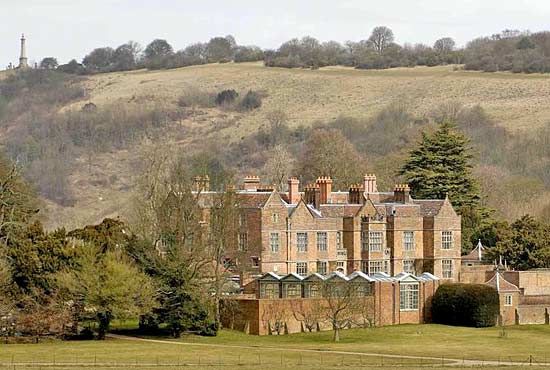
Chequers is more than just a picturesque retreat nestled in the Buckinghamshire countryside; it is a symbol of British governance and diplomacy. As the official country residence of the Prime Minister, Chequers plays a crucial role in facilitating both relaxation and important political discussions. Its historical significance and continued relevance make it an intriguing topic for both citizens and historians alike.
History and Significance
Chequers has been the country residence of British Prime Ministers since 1921. Originally a sixteenth-century farmhouse, it was acquired by the then Prime Minister, David Lloyd George, who aimed to use it for official functions and retreats away from the pressures of London. Over the decades, Chequers has hosted numerous significant meetings, including negotiations and agreements, influencing the course of British policy.
The house and its grounds, covering approximately 1,400 acres, offer a serene environment where leaders can contemplate and strategise. Its architecture represents centuries of evolution, housing an eclectic mix of styles that reflect the alterations made by various Prime Ministers over the years. Notable guests have included world leaders, royals, and historical figures, underscoring its importance in international relations.
Recent Events and Continued Use
In recent years, Chequers has continued to serve as a vital location for holding high-level meetings. During the Brexit negotiations, it was frequently called upon as a venue for pivotal discussions between government officials and representatives from the European Union. The picturesque setting provided a backdrop for essential decisions that would shape the UK’s future.
Additionally, Chequers is sometimes used for family holidays by the Prime Minister, allowing leaders to recharge amidst nature. The estate houses fine art and historical artifacts, providing an opportunity for relaxation while maintaining an air of historic significance.
Conclusion
Chequers represents a unique blend of history, politics, and nature. It serves not only as a retreat but also as a symbol of the UK’s evolving political landscape. The discussions that take place within its walls can have lasting effects on domestic and international affairs. Looking forward, Chequers will undoubtedly continue to be a crucial venue for policy discussions under future Prime Ministers, remaining at the heart of Britain’s governance. Visitors can appreciate its beauty as it represents the intersection of the past, present, and future in British politics.