Introduction
The celestial event of a lunar eclipse captivates skywatchers and astronomy enthusiasts alike, offering an opportunity to witness the enchantment of our planetary system. Lunar eclipses occur when the Earth comes positioned directly between the Sun and the Moon, casting a shadow over the Moon’s surface. With the next lunar eclipse fast approaching, it’s vital for astronomy fans and casual observers to understand its significance and how they can best experience it.
What Is a Lunar Eclipse?
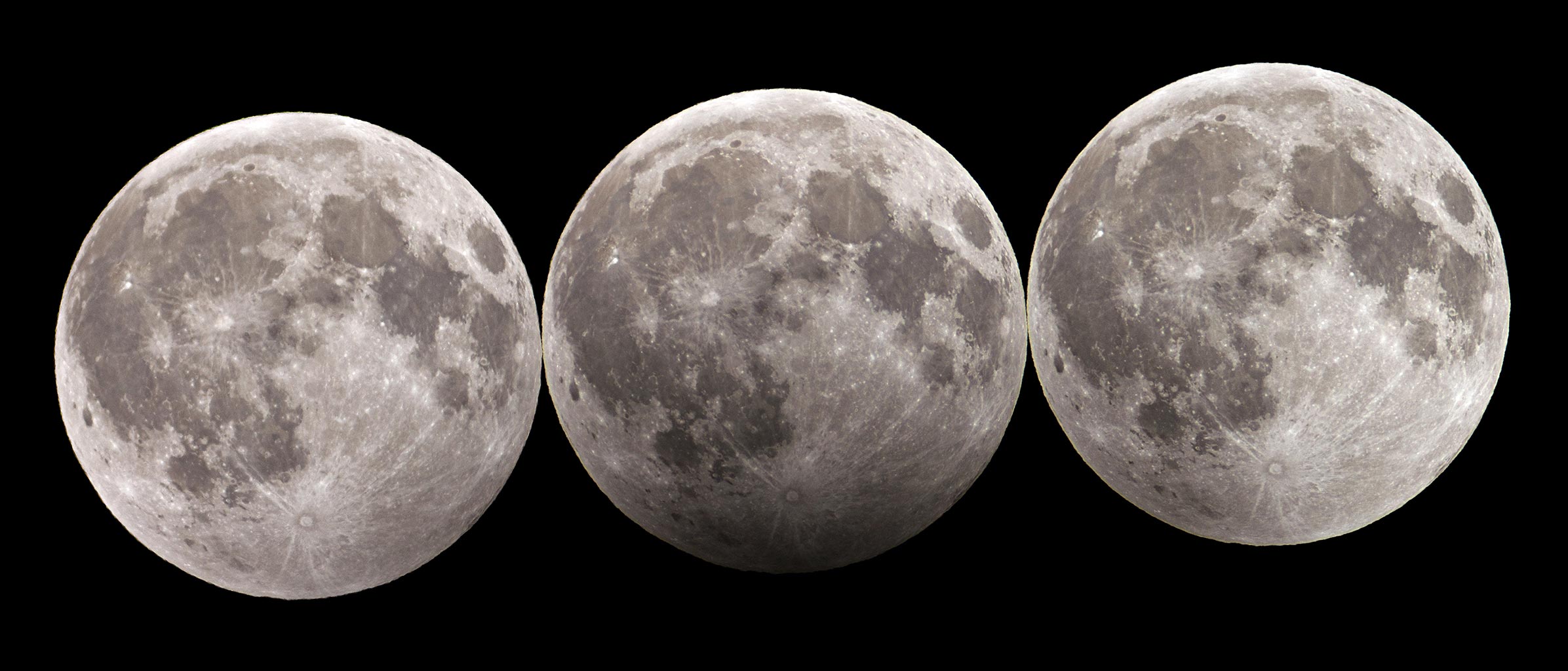
Lunar eclipses occur in three main types: total, partial, and penumbral. A total lunar eclipse involves the Earth’s full shadow covering the Moon, often giving it a red hue, commonly referred to as a “Blood Moon.” During a partial eclipse, only part of the Moon enters Earth’s shadow, while a penumbral eclipse involves a faint shading on the Moon’s surface. The upcoming lunar eclipse will be a total eclipse, allowing for a spectacular display that few astronomical events can rival.
Upcoming Lunar Eclipse Details
The next total lunar eclipse is set to take place on [insert date], with the best visibility expected around [insert time]. According to the UK Met Office, weather conditions should be favourable in many regions, making it an excellent opportunity for enthusiasts to gather and observe. Major cities like London and Manchester will likely provide clear views if the skies remain clear.
Historical Significance
Lunar eclipses have been observed throughout history, often regarded as omens or significant events. Ancient civilizations frequently used these events in their calendars and as guides for agricultural practices. In more recent times, scientific interest has shifted towards understanding their impacts on Earth’s environment and climate.
How to Observe Safely
Unlike solar eclipses, lunar eclipses are safe to view without protective eyewear. A good pair of binoculars or a small telescope can enhance the experience, bringing out details and shades that might not be visible to the naked eye. However, all one really needs is a comfortable place with a clear view of the sky.
Conclusion
The upcoming lunar eclipse offers an exciting chance for individuals and families to engage with the wonders of the universe. Observing such celestial phenomena can spark a greater interest in astronomy, science, and nature among people of all ages. As the date approaches, ensure that you mark your calendar and prepare for an unforgettable evening beneath the stars—an experience that connects us to the cosmos and reminds us of the incredible beauty that exists beyond our planet.