Introduction
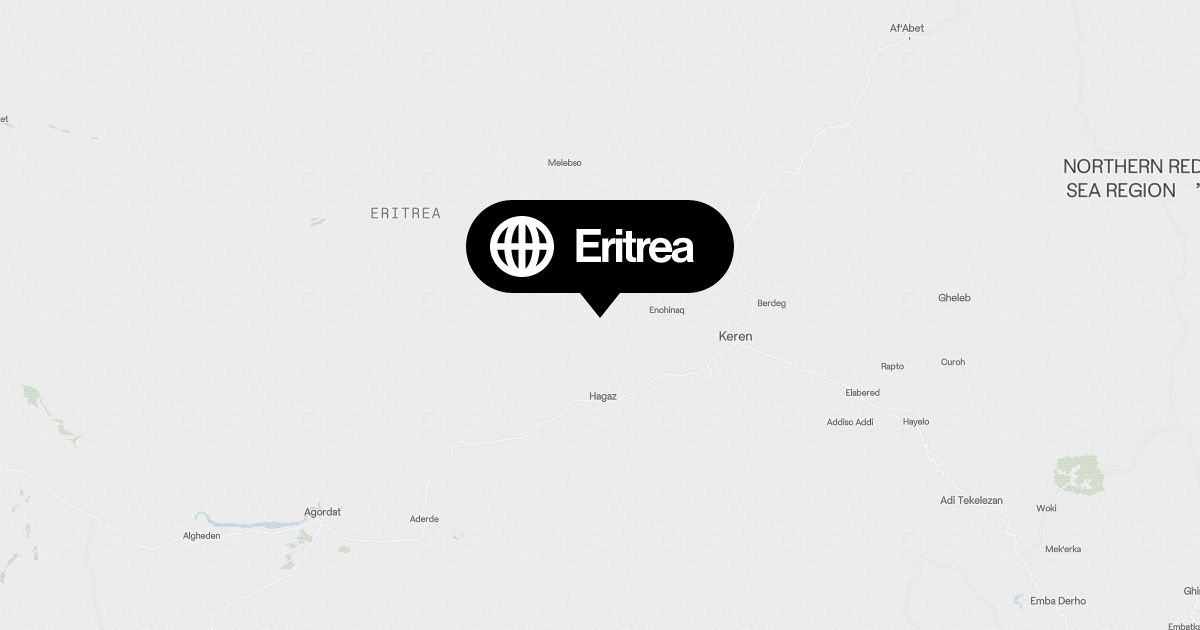
Eritrea, located in the Horn of Africa, is a nation often overshadowed by its more prominent neighbours. However, its rich history, diverse culture, and strategic significance make it a vital part of African geopolitics. Understanding Eritrea’s journey post-independence, as well as the current socio-political landscape, is increasingly relevant in today’s global context.
Historical Overview
Eritrea gained independence from Ethiopia in 1993 after a protracted struggle that lasted approximately 30 years. This independence was a significant milestone in the region, transforming Eritrea from a territory under Ethiopian rule to a sovereign nation. Since independence, the government has been led by Isaias Afwerki, whose administration has faced criticism for human rights violations and lack of political freedoms.
Current Events and Developments
In recent news, Eritrea’s relationship with Ethiopia has been complicated yet evolving. Following the 2018 peace agreement between the two nations, trade and communication have improved, providing a glimmer of hope for economic cooperation. Nonetheless, tensions remain regarding border disputes and the presence of Eritrean troops in the Tigray region of Ethiopia, which continue to draw international attention and concern.
Human Rights Concerns
The country is still marred by serious human rights issues. According to various human rights organisations, there are widespread reports of arbitrary detentions, forced military conscription, and suppression of political dissent. The government’s lack of transparency and control over media adds to the concern, making it challenging to gain an accurate picture of life in Eritrea.
Economic Landscape
Eritrea’s economy is largely driven by agriculture and mining, with the latter particularly promising due to the nation’s untapped mineral resources. The Eritrean government has sought foreign investments, especially in mining, to boost its economy. However, the ongoing challenges with infrastructure and international sanctions have proven to be hurdles that the government must overcome.
Conclusion
Eritrea is a nation with a complex blend of history, culture, and politics. While its recent developments suggest a potential for improved relations and economic growth, the significant human rights issues cannot be overlooked. For the international community, continued engagement with Eritrea is vital to encourage reforms and sustainable development. Observers will need to monitor these dynamics closely, as the evolving situation in Eritrea could have wide-reaching implications for the Horn of Africa region.