Introduction
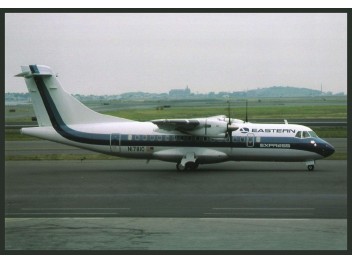
Eastern Airlines holds a significant place in the annals of aviation history. Originally founded in 1926, the airline was known for its extensive domestic and international operations until it ceased operations in 1991. Recently, the brand has made headlines by re-emerging in the aviation industry, igniting interest from both aviation enthusiasts and the general public. This resurgence is not just about nostalgia; it reflects broader trends in the airline industry and passenger expectations.
The Historical Significance
During its heyday, Eastern Airlines was a major airline in the United States, known for its innovation and customer service. It pioneered several technological advancements, including the use of jet aircraft and a comprehensive network connecting various regional hubs. However, the airline faced significant financial challenges in the late 20th century that ultimately led to its shutdown in 1991. The dissolution of the airline marked a pivotal moment in U.S. aviation, as it highlighted the growing issues within the industry amid deregulation.
The Resurgence of Eastern Airlines
In 2020, Eastern Airlines was revived by a group of investors who aimed to breathe new life into the brand. With a focus on charter services, the new iteration of Eastern Airlines is targeting underserved markets. By focusing on providing affordable travel options and exploring routes that are not widely covered by other airlines, they aim to attract a new generation of travellers while honouring the legacy of the original airline.
Eastern Airlines has also faced its share of challenges since its return. The COVID-19 pandemic has altered the travel landscape significantly, compelling airlines to adapt their strategies and offerings rapidly. The new Eastern Airlines has emphasised safety protocols and the flexibility of travel bookings to instil confidence in passengers returning to the skies.
Current Operations and Future Prospects
As of late 2023, Eastern Airlines has revitalised its operations by securing partnerships with various travel agencies and launching services on select routes in North America, focusing on leisure travel. They have also expressed intentions to expand internationally, leveraging the nostalgia of the brand while appealing to modern travellers.
Looking ahead, the significance of Eastern Airlines extends beyond its operational success. It represents a case study in brand revival, demonstrating that consumer expectations are shifting, and established brands can adapt and thrive in changing markets. The story of Eastern Airlines may serve as an inspiration for other defunct brands considering a return.
Conclusion
The resurgence of Eastern Airlines underscores the broader trends in the aviation industry marked by nostalgia, brand loyalty, and adaptability. Whether it can successfully forge a path in the highly competitive airline landscape remains to be seen, but it certainly has captured the interest and imagination of many. As the airline continues to navigate its way through the post-pandemic travel recovery, it reflects a compelling intersection of history and modern aviation dynamics.