Introduction
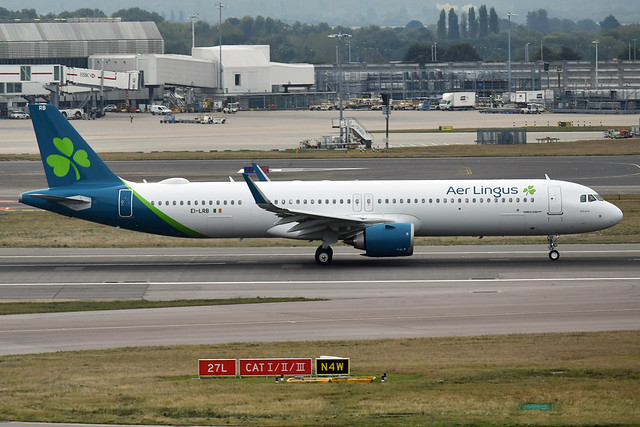
Aer Lingus, founded in 1936, is Ireland’s national airline and a crucial player in international aviation. As the country’s leading carrier, it connects Ireland to the world, operating flights to over 90 destinations in 26 countries. Recently, Aer Lingus has gained attention due to its recovery from the impacts of the COVID-19 pandemic, the shift in travel patterns, and its ambitions for expansion in the market.
Recent Developments and Current Operations
In response to the increased demand for air travel post-pandemic, Aer Lingus has ramped up its operations significantly. According to the latest financial reports, the airline saw a 70% increase in passenger numbers in the first half of 2023 compared to the same period in the previous year. Specifically, they have expanded their transatlantic routes, launching new flights from Dublin to Seattle and Philadelphia. This is part of their strategy to capture the growing market for transatlantic travel, which is projected to rise sharply as restrictions ease globally.
Moreover, Aer Lingus is investing heavily in customer experience innovations, including upgrades to its in-flight services and digital check-in systems. The airline has also committed to a sustainable future, pledging to cut its carbon emissions by 50% by 2030 through initiatives such as renewing its fleet with more fuel-efficient aircraft and implementing green taxiing procedures.
Challenges Facing Aer Lingus
While the outlook for Aer Lingus seems positive, the airline still faces challenges, including rising fuel prices and intense competition from both low-cost carriers and legacy airlines. The ever-changing political landscape surrounding Brexit and its impacts on travel regulations and air service agreements also poses potential hurdles for operations. Furthermore, labour shortages in the aviation sector are affecting operational capacity, leading to flight cancellations and delays, which has been a challenge for many airlines globally.
Conclusion
Aer Lingus remains a vital component of the Irish travel ecosystem, and its strategies signal an optimistic future for the airline. By prioritising customer satisfaction and sustainable practices, Aer Lingus aims to maintain its status as a preferred airline for both leisure and business travel. As they continue to adapt to changing market conditions and customer expectations, stakeholders and passengers alike will be keeping a watchful eye on how well the airline navigates these turbulent skies.