Introduction
Diwali, also known as the Festival of Lights, is one of the most important festivals celebrated across the world, particularly in India. This year, Diwali falls on November 12, 2023, and is expected to unite families and communities in a vibrant display of lights, joy, and hope. The festival is a time for reflection, celebration, and the renewal of bonds, making it highly relevant as people seek togetherness and positivity in today’s fast-paced world.
The Significance of Diwali
Diwali marks the victory of light over darkness and good over evil. It is rooted in various religious traditions, predominantly Hinduism, Buddhism, Jainism, and Sikhism. Each religion offers its unique perspective on the festival; for Hindus, it symbolizes the return of Lord Rama to Ayodhya after defeating the demon king Ravana. Buddhists celebrate it in recognition of the enlightenment of Lord Mahavira, while Sikhs mark it as the day when Guru Hargobind Ji was released from prison. The festival is rich in cultural heritage, offering a sense of spiritual renewal.
Celebrations and Traditions
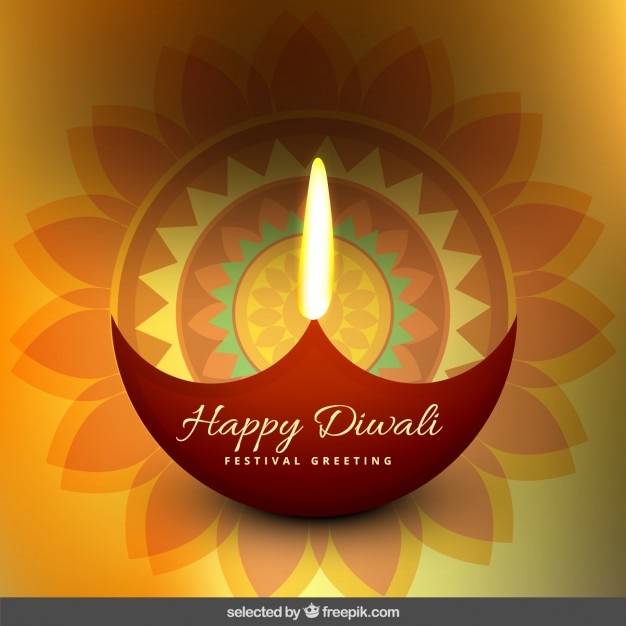
In the lead-up to Diwali, people engage in various preparations, including cleaning and decorating their homes with vibrant rangolis (floor patterns) and hanging lights. The festival typically spans five days, with each day celebrating different traditions. On the day of Diwali, families gather for prayers and rituals, including the worship of Goddess Lakshmi, the deity of wealth and prosperity. A significant aspect of the festival includes the lighting of diyas (oil lamps) and fireworks, symbolising the triumph of light.
Food plays a pivotal role in celebrations, with families preparing special sweets and savouries to share with friends and neighbours. In recent years, the trend of giving eco-friendly gifts and using less polluting fireworks has gained momentum, showcasing a shift towards sustainability.
Community Events and Global Celebrations
As Diwali approaches, numerous events and celebrations are organised globally, providing opportunities for people of various backgrounds to engage in the festivities. In cities like London, New York, and Sydney, grand parades, fireworks displays, and cultural programs showcase the essence of Diwali, reflecting the festival’s inclusivity and universal messages of hope and unity.
Conclusion
With its message of illuminating the darkness, Diwali 2023 promises to be a significant celebration of light and love. As communities come together to honour this vibrant festival, it serves as a reminder of the enduring values of compassion, togetherness, and the power of light to brighten our lives. Looking ahead, Diwali continues to adapt, fostering connections and understanding among people from diverse backgrounds, ensuring its relevance in our increasingly global society.