Introduction
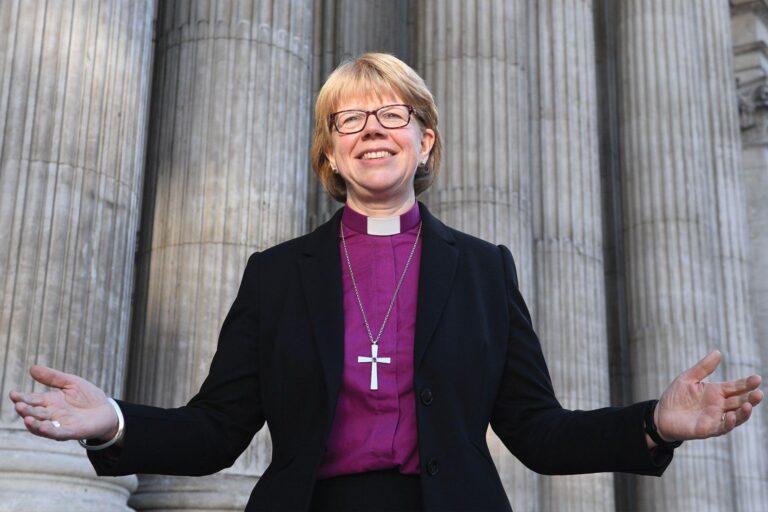
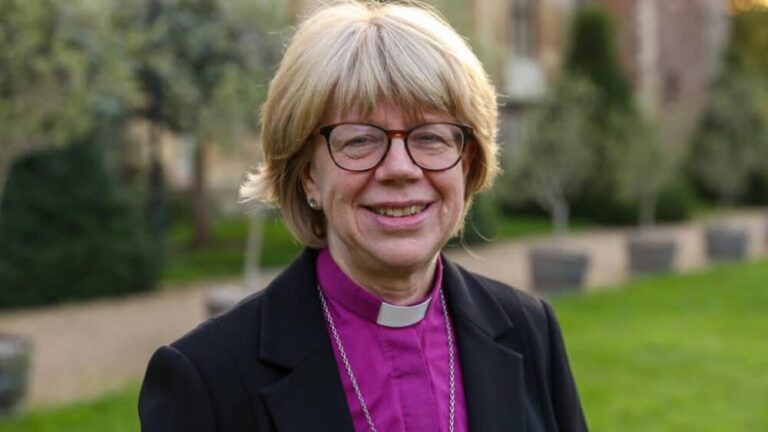
The appointment of Dame Sarah as the Archbishop of Canterbury is a landmark event in the history of the Church of England. This historic decision not only signifies a significant step towards gender equality in leadership roles within the church but also brings fresh perspectives to an institution that has served for centuries. Dame Sarah’s remarkable journey has sparked discussions about diversity, inclusion, and the future direction of the Anglican Church.
The Significance of Dame Sarah’s Appointment
For the first time, the Church of England has appointed a woman to this prestigious role, highlighting the ongoing transformation within religious leadership. Dame Sarah has a storied career spanning over two decades, with previous roles that include serving as Bishop of London and various senior positions within the church hierarchy. Brought to the role by a committee that evaluated her dedication and vision for the church’s future, she represents a new dawn for the Anglican community.
Key Qualities and Vision
Dame Sarah is known for her collaborative approach and her efforts in expanding the Church’s outreach. As Archbishop, she has vowed to focus on rebuilding the church’s community links, promoting inclusivity, and addressing contemporary social issues. Her experience in interfaith dialogue is expected to play a crucial role in fostering relationships with communities of different faiths, thereby strengthening the Church’s mission.
Challenges Ahead
While Dame Sarah’s appointment is widely celebrated, it also comes with significant challenges. The Church of England is facing declining attendance and struggles to resonate with younger generations. Furthermore, the institution is still grappling with issues related to its history, traditions, and the need for reforms. Critics argue that merely having a woman at the helm won’t solve systemic problems unless coupled with meaningful changes within the Church’s structure and outreach.
Conclusion
The ascendance of Dame Sarah to the role of Archbishop of Canterbury is not just a historical milestone but also a sign of an evolving institution ready to embrace change. Her leadership will be closely watched as she navigates the complex landscape of modern-day spirituality, societal values, and church involvement. As she embarks on this new journey, many hope that her tenure will inspire a revitalisation of faith in the Anglican Church and enhance its relevance in today’s society.