Introduction
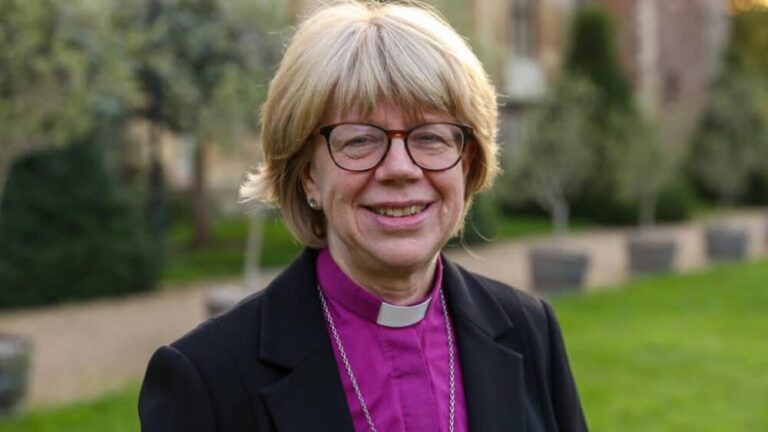
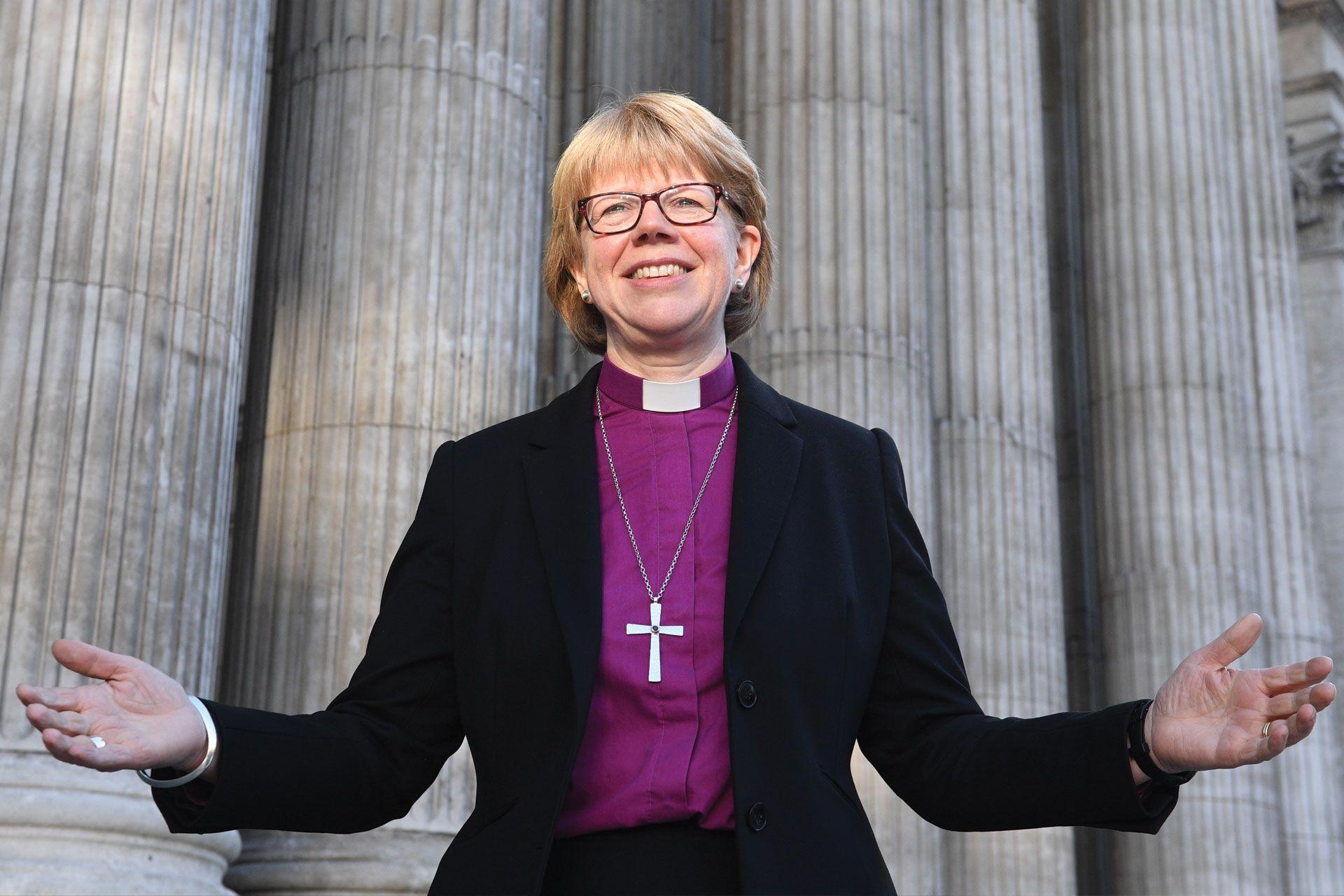
The recent appointment of the new Archbishop of Canterbury marks a significant milestone for the Anglican Church and its followers worldwide. The Archbishop not only serves as the spiritual leader of the Church of England but also plays a critical role in bridging communities and addressing pressing social issues. With the Church at the helm of contemporary debates, the new Archbishop’s influence and vision are paramount as society grapples with change.
Details on the Appointment
Following the retirement of Justin Welby, the new Archbishop, newly elected by the Church’s governing bodies, takes on this prestigious role with a clear mandate. As the 105th Archbishop, he has pledged to support the church’s engagement in the community and strengthen its outreach programs. His background includes various leadership roles within the Church, showcasing a commitment to inclusivity and modernisation. The selection process was meticulous, involving the College of Bishops and consultations with lay members to ensure a diverse representation in leadership.
Key Challenges Ahead
The new Archbishop faces several challenges as he steps into this role. The Church of England has been navigating declining attendance and increasing secularisation, sparking discussions on how traditional churches can remain relevant. Furthermore, the Archbishop is expected to address issues such as the Church’s position on social justice, wealth inequality, and support for the marginalised. Engaging effectively with younger generations is also a priority as their involvement in church activities diminishes.
Community Engagement and Future Vision
One of the new Archbishop’s most pressing goals is to rebuild trust with local communities and encourage participation in church-related initiatives. By focusing on outreach and social justice, he aims to inspire a new era rich in collaborative efforts between the Church and local organisations. His strategic focus on interfaith dialogue will foster greater understanding and cooperation among different faiths, which is increasingly important in today’s multicultural society.
Conclusion
The appointment of the new Archbishop of Canterbury heralds a period of transformation and opportunity for the Anglican Church. His firm commitment to social issues and community connectivity reflects the Church’s evolving role within modern society. As we look forward to the new Archbishop’s leadership, his efforts may prove pivotal in shaping a more inclusive and contemporary Church that resonates with the challenges of 21st-century life.