Understanding UK Inflation and Its Importance
Inflation is a crucial economic indicator that measures the rate at which the general level of prices for goods and services rises, eroding purchasing power. In the UK, ongoing inflation rates have garnered significant attention, particularly following the economic disruptions caused by the COVID-19 pandemic and geopolitical tensions. As of October 2023, the UK has been navigating through a complex economic landscape, making it vital for both policymakers and consumers to understand the current inflation trends.
Current Inflation Rates and Trends
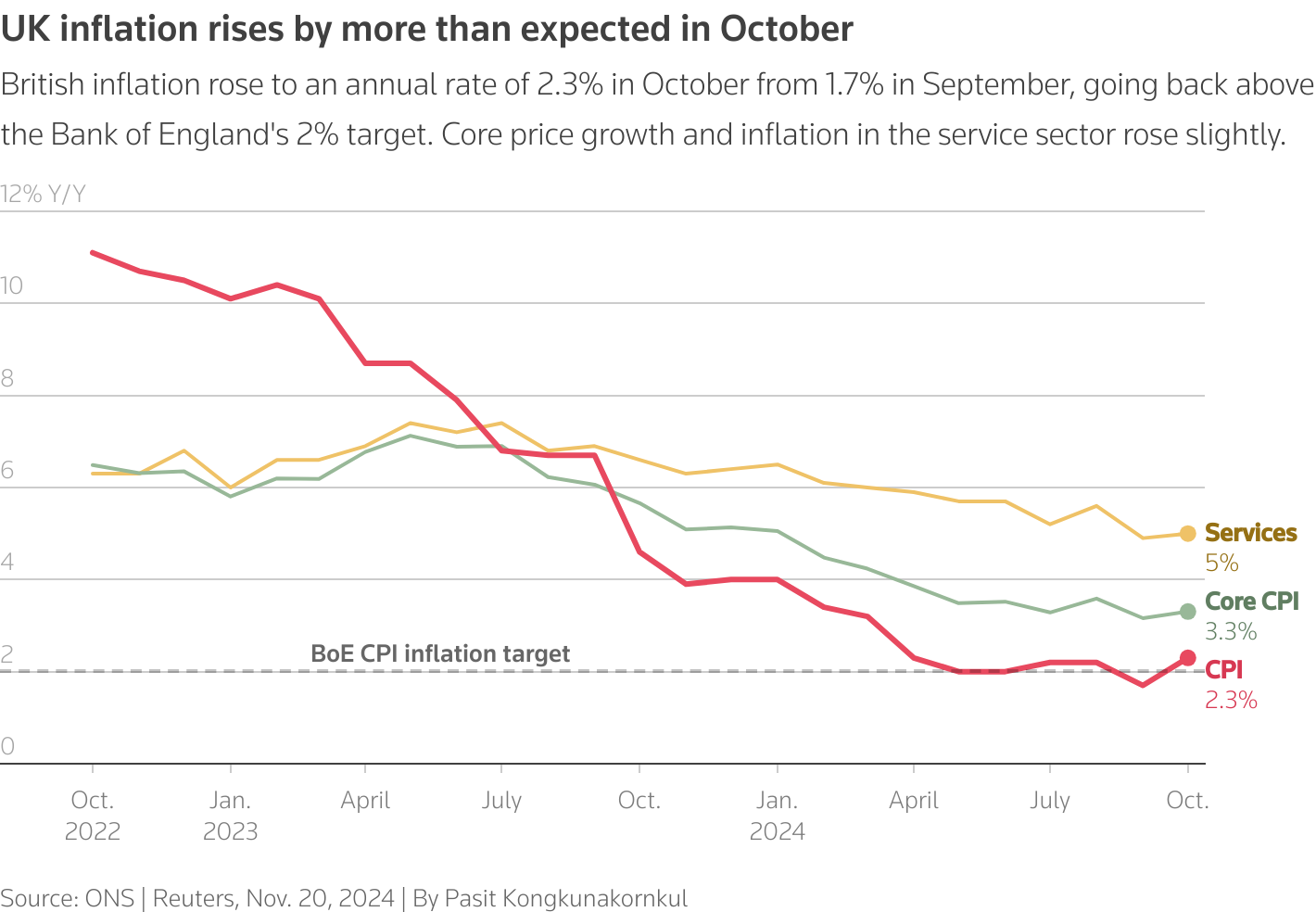
According to the Office for National Statistics (ONS), the UK inflation rate for September 2023 was recorded at 6.3%, a slight decrease from 6.6% in August. This decline marks a continuation of the trend observed throughout the latter half of 2023, where inflation has gradually eased from its peak of 11.1% in October 2022. However, inflation remains well above the Bank of England’s target rate of 2%, necessitating ongoing scrutiny by financial authorities.
The recent drop in inflation is attributed to several factors, including the reduction in energy prices following a strategy to diversify energy sources and Government interventions to mitigate cost-of-living pressures. Despite these reductions, prices in categories such as groceries and housing remain elevated, indicating underlying inflationary pressures in the economy.
Impact of Inflation on Households and Businesses
Inflation affects consumers and businesses in numerous ways. Households have been experiencing heightened costs for everyday necessities, including food and fuel, which have led to wider discussions around wage growth and employment stability. Recent surveys indicate that many families are tightening budgets and prioritising essential spending over discretionary purchases as they cope with rising costs.
For businesses, persistent inflation poses challenges in the form of increased operational costs and uncertainties in pricing strategies. Many companies have opted for price hikes to maintain margins, which, in turn, can further contribute to the inflationary cycle.
Conclusion: The Road Ahead
The outlook for UK inflation remains uncertain, with economic growth forecasts reflecting both resilience and potential vulnerabilities. Experts predict that inflation may continue to stabilise over the coming months, but external shocks—such as changes in global energy markets or shifts in supply chain dynamics—could influence these projections. For consumers and businesses alike, understanding inflation trends is essential for making informed financial decisions. As the UK grapples with these economic developments, continued vigilance from policymakers will be fundamental in steering the country towards economic stability.